- Licensed & Insured
- Free Estimates
- Mon–Fri, 8 AM – 6 PM
Serving Yonkers & Southern Westchester, NY

Stone Repointing in Yonkers, NY for Stone Walls and Foundations
Brick Pointing Yonkers, NY repoints fieldstone foundations, rubble walls, stone houses and cut-stone facades. We clear out failed mortar, pack deep voids in layers, reset loose stones and finish each joint to match how the wall was first pointed. The result keeps water out and keeps the stone looking like stone, not a wall of mortar.
- Licensed & insured
- 10+ years in Yonkers
- Free estimates · Mon–Fri 8–6
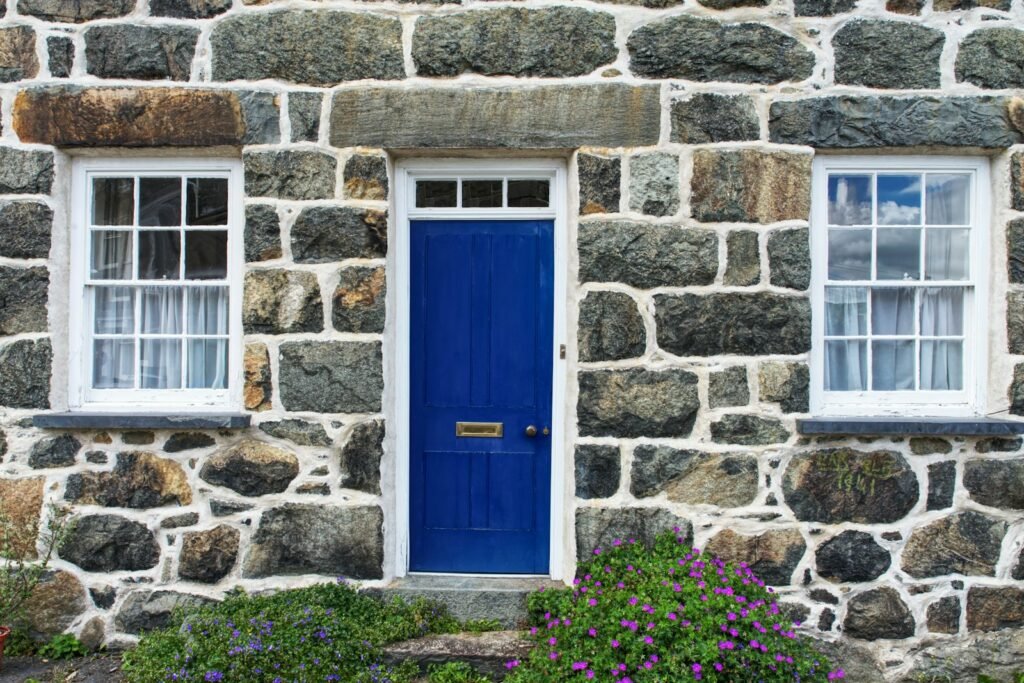
Deep-packed, not skimmed
Voids filled in layers, with pinning stones set as we go
What Stone Repointing Involves in Yonkers
Stone repointing replaces the worn mortar between stones while keeping the stones in place. It differs from brick work because stone joints are rarely even. A fieldstone wall can have joints from a finger’s width to several inches, with hollow pockets behind them. Cut stone such as granite can have joints just a few millimeters wide (Historic England).
Each kind needs different tools, sand and filling methods. A narrow ashlar joint is raked with fine chisels and pointed with fine sand; a wide rubble joint is packed deep with coarser sand and small stones. Getting that match right is what keeps a repointed stone wall looking natural for decades.
Same wall type, very different joints
Cut granite or brownstone
A few mm
Coursed rubble
About a finger
Fieldstone and random rubble
Up to several inches
Signs a Stone Wall or Foundation in Yonkers Needs Repointing
Stone walls tell you when their joints are failing. These are the signs we check on every Yonkers property.
Open joints and hollow pockets
Gaps you can push a finger into, or see light through on a garden wall.
Loose or rocking stones
Stones that move by hand, often at corners and the top of the wall.
Damp basements
Water seeping through the joints of a stone foundation after rain.
Plants in the joints
Moss, weeds or roots growing out of the mortar.
Washed-out bases
Mortar gone along the bottom courses, where water and soil sit against the wall.
Smeared gray repairs
Cement spread over the stone faces in past repairs, making joints look wide and trapping water.
Only decayed, cracked or loose mortar needs to come out. Sound original mortar is best left in place (Northern Ireland Historic Environment Division).
Stone Wall Types We Repoint in Yonkers
Most stone walls around Yonkers fall into one of four types. Each gets a different repointing method.
| Wall type | What the joints are like | How we repoint it |
|---|---|---|
| Fieldstone and random rubble | Wide, irregular joints with deep voids | Pack voids in layers, set small pinning stones, finish flush or slightly back with the sand texture showing |
| Coursed rubble | Rough stones laid in rough rows | Follow the rows, keep joint widths even and pack deep |
| Ashlar and cut stone (granite, brownstone, limestone) | Fine, straight joints | Narrow tools, fine sand and careful raking to protect sharp stone edges |
| Stone veneer on newer homes | Thin stone set against a backing wall | Match the existing mortar and re-secure any loose units |
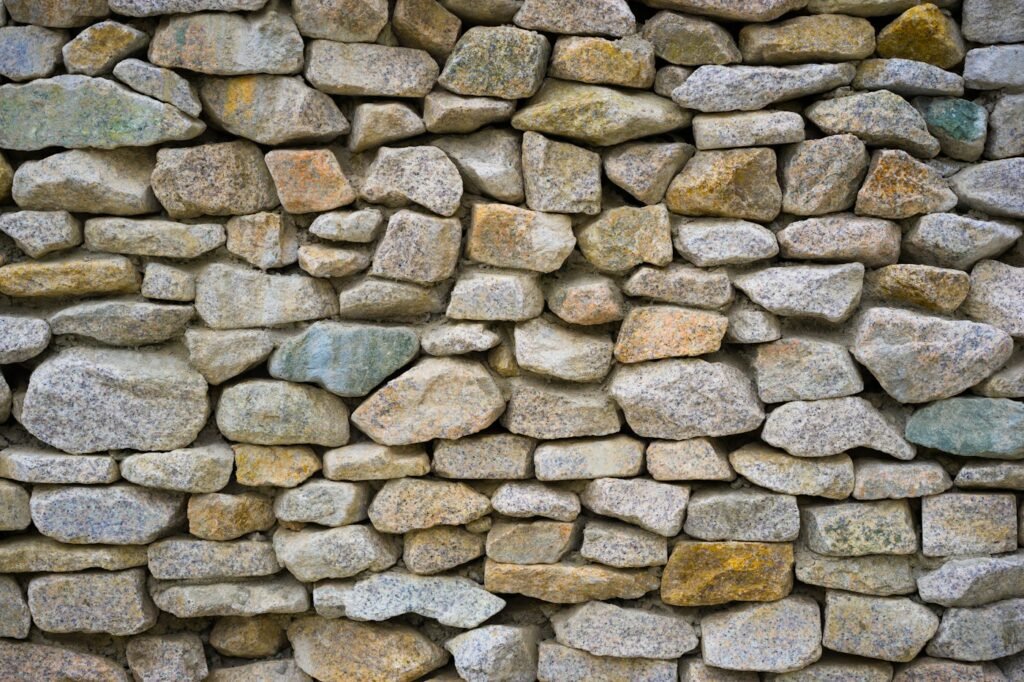
The mortar has to suit the stone
A dense granite and a soft brownstone need different mixes, and both must be softer than the stone itself so the joint wears first. Our lime mortar repointing page explains how we choose them, from sampling the old mortar to matching the sand.
Pinning Stones and Deep Joints in Rubble Walls
Rubble walls were often built with small stones, called pinnings, set in the mortar to wedge the larger stones tight (Historic Environment Scotland). They also keep joints from getting too wide. We keep every sound pinning, reset loose ones and add new ones where a joint has opened up. Wide joints also need a coarser, sharper sand in the mix (Peak District National Park).
Deep voids are filled in stages, each layer pressed firm before the next goes in. A thick joint filled in one pass shrinks and cracks, and shallow “face only” pointing on a rubble wall soon fails and has to be done again.
How we treat rubble joints
- Keep every sound pinning stone
- Reset loose pinnings, add new ones where joints opened
- Coarser, sharper sand for wide joints
- Fill deep voids in pressed layers
- Skim “face only” pointing
- Filling a thick joint in one pass
Our Stone Repointing Process in Yonkers, Step by Step
Stone walls are repointed by hand, a few square feet at a time. These are the seven stages every job goes through.
01
Survey the wall
We map open joints, loose stones and earlier repairs, and note how the original joints were finished.
02
Stabilize first
Loose stones, copings and caps are reset before repointing begins (Northern Ireland Historic Environment Division).
03
Rake out by hand
Failed mortar comes out to sound material without chipping stone edges.
04
Clean and dampen
Joints are brushed and flushed; on dense stone we dampen only the back of the joint so water does not pool.
05
Deep-fill and pin
Voids are packed in layers, with pinning stones set as we go.
06
Point and finish
Joints are filled slightly back from the stone face, never wider than the original look (GSA).
07
Texture and cure
The surface is brushed to show the sand, then protected while it cures.
Stone Foundation Repointing for Yonkers Homes
Many older Yonkers homes sit on fieldstone or rubble foundations. When those joints wash out, water and pests find a way into the basement. We repoint foundations from outside where the wall is exposed, and from inside the basement where it is not.
Before we start, we check grading, gutters and downspouts, because repointing alone will not stop water that is pooling against the wall. Where an inside wall needs a full protective coat, see foundation parging.
Stone Garden and Retaining Wall Repointing in Yonkers
Free-standing stone garden walls take weather on both faces and on top, so their caps and upper courses fail first. We repoint them and reset loose top stones. Retaining walls also hold back soil and water, so we check the drainage behind them.
A wall that leans or bulges needs more than repointing; see retaining walls or brick wall rebuilding.
What Affects the Scope of Stone Repointing in Yonkers
No two stone walls take the same time. We price after we see the wall, and the estimate is free. These are the six things that move the number most.
- Type of stone and joint width
- How deep the voids run
- Loose stones and caps to reset
- Old cement smears on stone faces
- Inside or outside work, access around plantings
- Wall height and length, and any staging
Stone Repointing for Yonkers Homes, Multifamily Buildings and Storefronts
Homes
Fieldstone foundations, stone houses, porches, chimneys and garden walls, often worked around plantings and patios.
Common jobs: foundation joints, porch piers, garden wall caps
Multifamily buildings
Stone foundations and base courses under brick upper floors, where open joints let water into shared basements.
Common jobs: base courses, foundation walls, areaway walls
Storefronts
Granite and brownstone trim, piers and sills on older commercial buildings, pointed with fine joints to protect sharp edges.
Common jobs: granite piers, brownstone sills, cut-stone trim
1680s
Philipse Manor Hall and Stone Masonry in Yonkers
Stone building in Yonkers goes back to its beginnings. Frederick Philipse built a sturdy stone house on the site of Yonkers in the 1680s (NPS). Today it is Philipse Manor Hall, the oldest house in Yonkers (Hudson River Valley Heritage), and its south front is built of fieldstone (NPS National Register form).
Stone foundations, garden walls and retaining walls are still part of many older properties across the city, and they need the same patient pointing work.
Also serving: Mount Vernon, New Rochelle, Bronxville, Hastings-on-Hudson and Scarsdale.
Related Masonry Services in Yonkers
Stone repointing often leads to these services on the same property.
Repointing for the brick walls above your stone foundation.
How we choose the right soft mix for old stone.
A protective coat for foundation walls inside and out.
Crown, flashing and joint repairs for stone and brick chimneys.
Stone Repointing FAQs for Yonkers Property Owners
Quick answers about stone joints, pinning stones and foundation work.
Can a stone wall be repointed with the same mortar used on brick?
Not always. The mortar has to be softer than the stone and suit its joints. A soft brownstone, a hard granite and a fieldstone wall with wide joints each need a different mix and sand.
What are the small stones in my wall’s joints? Should they stay?
They are pinning stones, used to wedge larger stones tight and narrow wide joints. They should stay. We keep the sound ones, reset loose ones and add new ones where needed.
Can you repoint a stone foundation from inside the basement?
Yes. Inside repointing seals open joints and keeps out pests. If water is coming through, we also look at grading and gutters outside, since that is usually where the water starts.
Why is gray mortar smeared over the faces of my stones?
That is usually past overpointing, where mortar was spread past the joints. It makes the joints look wide and can hold water against the stone. We remove it carefully and repoint the joints properly.
What if the gaps in my stone wall run very deep?
Deep voids are common in rubble walls. We pack them in layers with mortar and pinning stones until the joint is solid, rather than skimming the surface.
Do you repoint stone garden walls and retaining walls?
Yes, as long as they are standing straight. If a wall leans, bulges or has lost stones, it needs resetting or rebuilding first.
Get a Free Stone Repointing Estimate in Yonkers
Send us photos of your stone foundation or wall, or book a visit. We will show you which joints need work and give you a written estimate.