- Licensed & Insured
- Free Estimates
- Mon–Fri, 8 AM – 6 PM
Serving Yonkers & Southern Westchester, NY

Brick Replacement in Yonkers, NY for Spalled and Broken Bricks
Brick Pointing Yonkers, NY replaces spalled, cracked and crumbling bricks on homes, multifamily buildings and storefronts. We cut out only the damaged units, match new or reclaimed brick to your wall’s size, color and texture, and set it in mortar that suits older brick. Your wall keeps its look, and the estimate is free.
- Licensed & insured
- 10+ years in Yonkers
- Free estimates · Mon–Fri 8–6
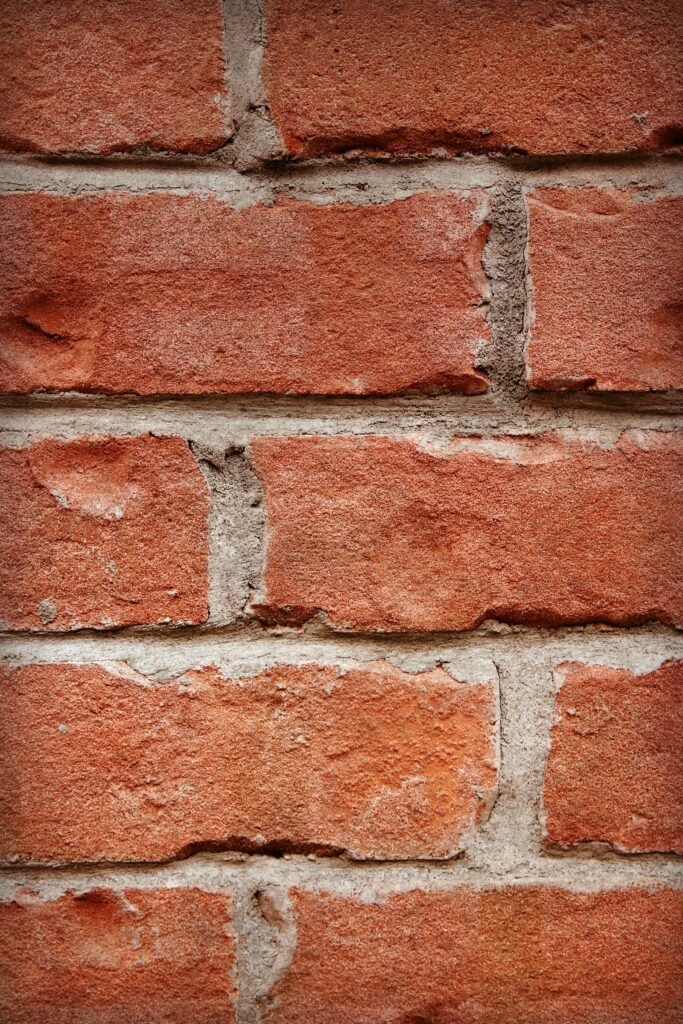
Brick matching
Size, color, texture, hardness and absorption, checked against your wall.
Brick Replacement vs Repair: When Bricks Need Replacing
A brick needs replacing when the unit itself has failed, not just the mortar around it. Look for:
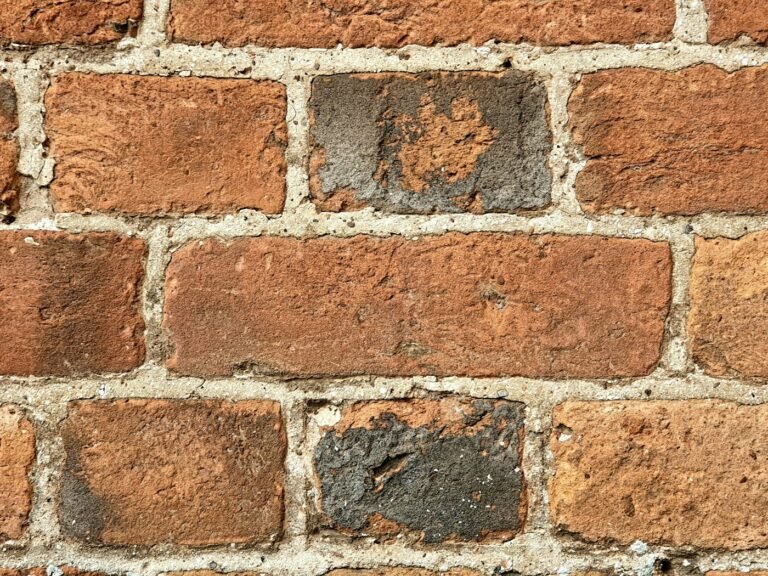
Spalling
The face flakes, peels or pops off, leaving a rough, sunken surface.
Crumbling or powdery brick
The brick turns to grit when you rub it.
Split or crushed bricks
Cracks through the unit from impact, rusting steel or heavy loads.
Missing bricks
Gaps left by old damage, removed fixtures or past bad repairs.
Holes from signs and pipes
Storefront and multifamily walls often carry years of old anchor holes.
Mismatched patches
Earlier replacements in the wrong color or size that stand out.
Not sure it is the brick?
When the brick is sound and only the joints are worn, you need brick pointing in Yonkers instead. When the damage is a crack running across many bricks, see brick repair for cracks.
What Causes Spalling Brick on Yonkers Buildings
Spalling is almost always a water problem first. The U.S. General Services Administration’s historic brick guidance links it to moisture and salts trapped in the masonry combined with freeze and thaw cycles (GSA).
Freeze and thaw
Water soaked into the brick freezes, expands and pushes the face off.
Mortar harder than the brick
GSA also lists too-hard repointing mortar as a cause, because the brick, not the joint, ends up taking the stress.
Sealers and coatings
Acrylic sealers can trap moisture inside a wall and lead to spalling in a freeze (Masonry Magazine).
Harsh cleaning
Sandblasting and aggressive pressure washing strip the brick’s outer surface.
Leaks and splash
Overflowing gutters, failed flashing, leaking pipes and ground splash keep the same bricks wet season after season.
Older brick is especially exposed. Early brick was often fired with a hard outer crust and a softer center (GSA). Once the face spalls, the softer, more porous inside wears faster with each winter (NIH technical bulletin). That is why we replace a spalled brick instead of painting or coating over it, and fix the water source at the same time.
How We Match Replacement Bricks in Yonkers
A replacement only works if it disappears into the wall. We match on five points, because a new brick that is much harder than its neighbors can push damage onto them.
Size
Color
Surface texture
Hardness
Absorption
| Source | Best for | Trade-off |
|---|---|---|
| Salvage from your own building | Exact match on older walls; we take sound bricks from a hidden spot such as a rear wall or garden wall | Limited quantity; the donor spot gets matched brick |
| Reclaimed brick from salvage yards | Older Yonkers homes and pre-war buildings | Takes time to find the right batch; each brick is sorted by hand |
| New brick from a manufacturer blend | Newer homes and storefronts, or large areas | Color needs time to weather in |
| Turning the original brick | A spalled brick whose back face is sound and clean | Only works for some bricks; we test each one |
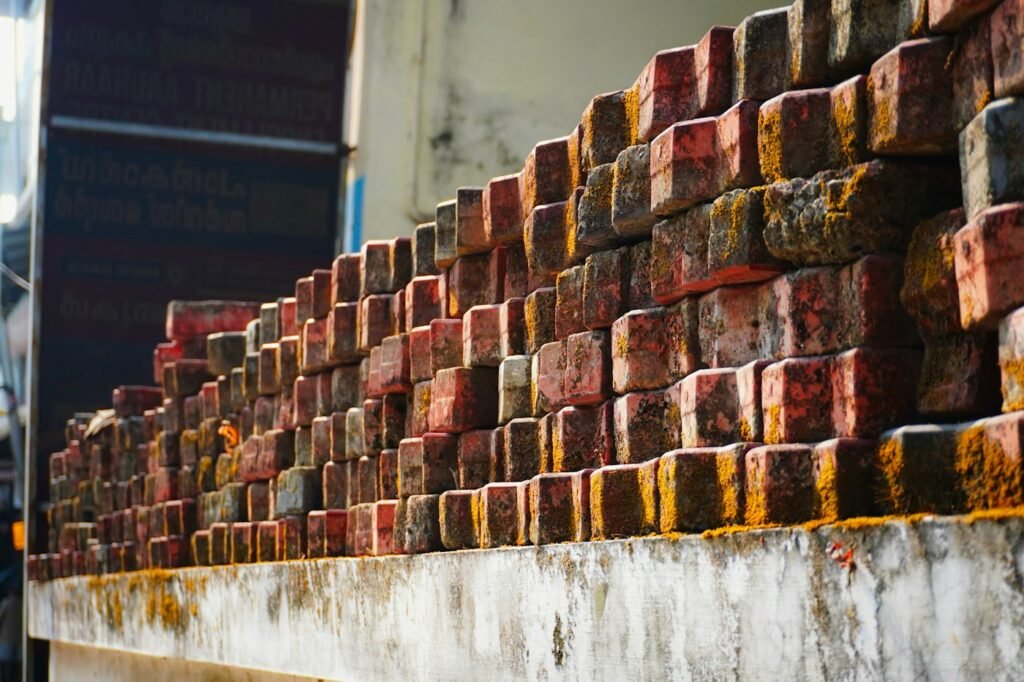
We bring sample bricks to the wall and check them in daylight before you approve the match.
Our Brick Replacement Process in Yonkers
01
Mark the damaged bricks
We tap, probe and mark every brick that has failed, and photograph the area.
02
Fix the water source
We note the gutter, flashing, cap or grade problem that wet the bricks, and include the fix in the estimate.
03
Choose the match
We source bricks and show you samples against the wall.
04
Cut out the old brick
We cut the mortar around each unit and remove it in pieces, so the bricks around it are not disturbed.
05
Prepare the opening
Old mortar and dust come out, and the opening is dampened so the new mortar bonds.
06
Set the new brick
Each brick is fully bedded on all sides, set flush with its neighbors and in the original bond pattern.
07
Tool and cure the joints
Joints are finished to match the wall’s profile and kept from drying too fast.
08
Cleanup and review
We clean the face, remove debris and walk the wall with you.
Joint softer than brick
Choosing the Right Mortar for Replacement Brick
The mortar around a replacement brick should be weaker and more breathable than the brick itself. Then the joint, which is easy to repoint, takes the wear instead of the brick. For older soft brick, that often means a lime-rich mix; see lime mortar repointing. For modern hard brick, we use a mix matched to that brick.
What Affects the Scope of Brick Replacement in Yonkers
We price after seeing the wall, and the estimate is free.
How many bricks need replacing, together or scattered
How hard the brick is to match, and whether reclaimed brick is needed
Location: ground level, steps, upper floors or under a window
Access: ladders, a lift or scaffolding
Whether the water source needs repair at the same time
Old coatings or paint to remove from the surrounding brick
Brick Replacement for Yonkers Homes, Multifamily Buildings and Storefronts
Homes
Spalled bricks at steps, porches, chimneys and the lower courses near gutters and downspouts.
Multifamily buildings
Scattered failed bricks across tall facades, with access planned to keep tenants moving safely.
Storefronts
Broken and drilled bricks around signs, awnings and display windows, replaced to restore a clean front.
Winter Freeze-Thaw and Salt Damage in Yonkers
Yonkers winters bring repeated freezing and thawing, plus salt spread on sidewalks, steps and streets. Salt-laden slush splashes onto the lowest brick courses, stoops and storefront bases. As the wall dries, salts can build up just under the surface and add pressure during freeze and thaw cycles (GSA). That is why the bricks we replace most often sit within a few feet of the ground. We recommend scheduling replacement before the next winter starts.
Also serving: Mount Vernon, New Rochelle, Bronxville, Hastings-on-Hudson and Scarsdale.
Where winter damage shows first
- The lowest brick courses along sidewalks
- Front stoops and brick steps
- Storefront bases at street level
- Bricks under leaking gutters and sills
Related Masonry Services in Yonkers
Brick replacement is often one part of a bigger fix. If your wall also shows one of these, this is where to look next.
If you see cracks
Crack stitching and repair for stair-step and vertical cracks in brick walls.
If the wall bulges or leans
Taking down and relaying sections that have lost their bond.
If the brick is soft and old
A matched lime mortar so new and old bricks last together.
If the facade is stained
Gentle cleaning so replaced bricks blend into the wall around them.
Brick Replacement FAQs for Yonkers Property Owners
Can you replace a few bricks without redoing the whole wall?
Yes. We cut out only the failed bricks and set new ones in their place. The rest of the wall stays as it is, as long as it is sound.
Why are only a few of my bricks spalling while the rest look fine?
Spalling shows up where water collects most, such as under a leaking gutter, below a window sill or near the ground. Those bricks stay wet longer and go through more freeze and thaw damage than the rest of the wall.
Where do you find bricks that match an older Yonkers house?
We check salvage yards for reclaimed brick of the same age and size, and sometimes take sound bricks from a hidden part of your own building. For newer homes, a manufacturer blend often works.
Will the new bricks look different at first?
A close match can still look slightly cleaner for a while. Weather tones it down over time. We show you samples on the wall before we start, so there are no surprises.
Should I seal my brick after the bricks are replaced?
Usually not. Some sealers trap moisture in the wall, and that moisture can cause new spalling when it freezes. Fixing the water source does far more than a coating.
Can a spalled brick be turned around and reused?
Sometimes. If the back face is sound, clean and the right color, we can turn the brick and set it again. We check each brick, because many spalled units are weak all the way through.
Get a Free Brick Replacement Estimate in Yonkers
Tell us how many bricks are flaking or broken, or send a few photos. We will check the match and give you a written price.