- Licensed & Insured
- Free Estimates
- Mon–Fri, 8 AM – 6 PM
Serving Yonkers & Southern Westchester, NY

Stucco Repair in Yonkers, NY: Cracks, Patches and Re-Stucco
Brick Pointing Yonkers, NY repairs traditional cement and lime stucco on homes, multifamily buildings and storefronts. We find out why the stucco cracked or let go, fix the wall behind it, and rebuild the coats so the repair matches the texture and color around it. When patching is no longer enough, we re-stucco whole walls.
- Licensed & insured
- 10+ years in Yonkers
- Free estimates · Mon–Fri 8–6
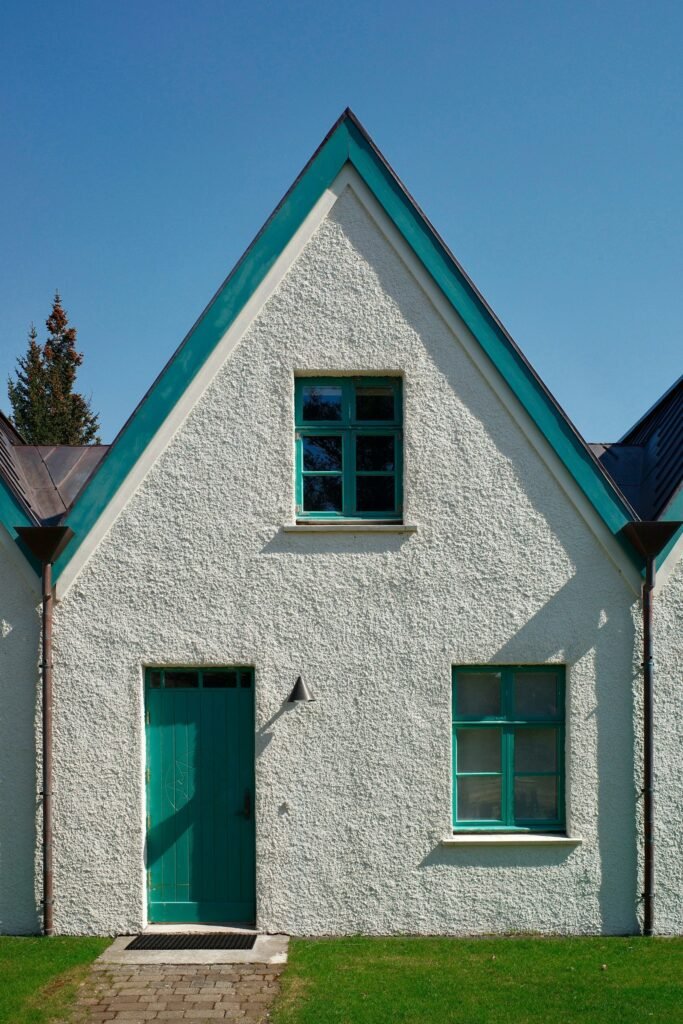
Matched to the wall
Texture and color blended to a natural break
Know What Is on Your Wall: Stucco, EIFS or Parging
Three finishes look alike from the sidewalk and need very different repairs. We repair traditional stucco. If tapping and a close look show EIFS, we say so before any work is quoted.
Traditional stucco
WHAT IT IS
Cement or lime plaster built up in coats
HOW IT FEELS
Hard and solid when tapped
WHERE IT IS
Whole walls, over lath or directly over brick and block
WHO FIXES IT
Us
EIFS (“synthetic stucco”)
WHAT IT IS
Foam insulation board with a thin reinforced finish
HOW IT FEELS
Softer; can sound hollow and dent under pressure
WHERE IT IS
Walls of newer buildings
WHO FIXES IT
Specialist EIFS installers; we tell you if that is what you have
Parging
WHAT IT IS
A thin cement coat on foundation walls
HOW IT FEELS
Hard, thin, usually only near the ground
WHERE IT IS
Exposed foundation band
WHO FIXES IT
Traditional Stucco, Coat by Coat: How a Lasting Stucco Repair Is Built
Stucco is not one layer. A typical three-coat system over metal lath has a ⅜-inch scratch coat, a ⅜-inch brown coat and a ⅛-inch finish coat, about ⅞ inch in total; over solid masonry, a two-coat system around ⅝ inch is common (Building Enclosure).
A lasting repair rebuilds each missing coat, with curing time between them, rather than filling a hole with one thick dab.
Cross-section, wall on the left, face on the right
Lath or masonry
Metal lath on framed walls, or brick and block on solid walls.
Scratch coat
Pressed into the lath or onto the masonry and scored so the next coat can grip.
Brown coat
Builds thickness and makes the wall flat and true.
Finish coat
The color and texture you see.
Read the Crack: Common Stucco Problems in Yonkers
The shape of a crack says a lot about what caused it, and that decides the repair. These are the four we see most.
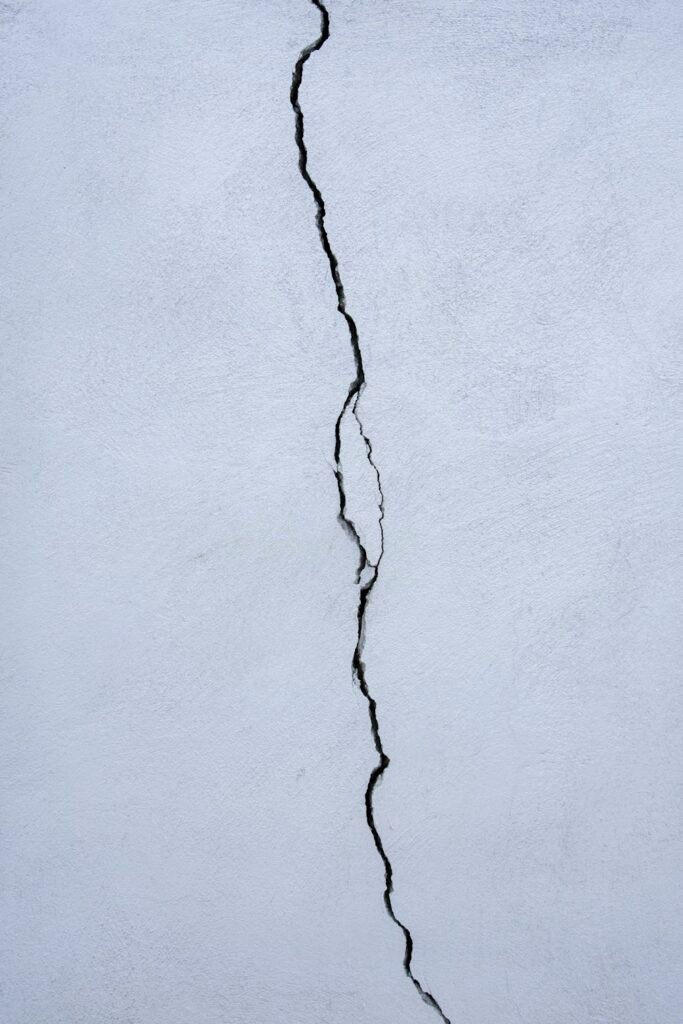
Hairline cracks
Thin, random cracks from shrinkage as the stucco cured. Sealed and refinished.
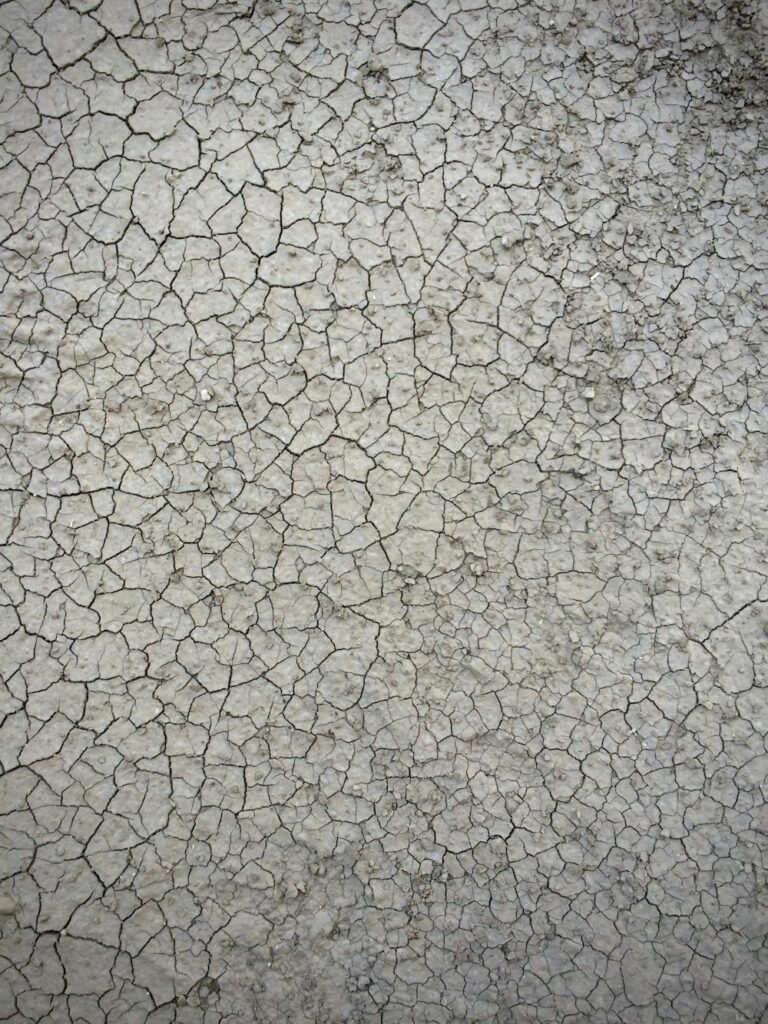
Map cracking
A fine web across the surface, usually in the finish coat. Fixed by refinishing the panel.
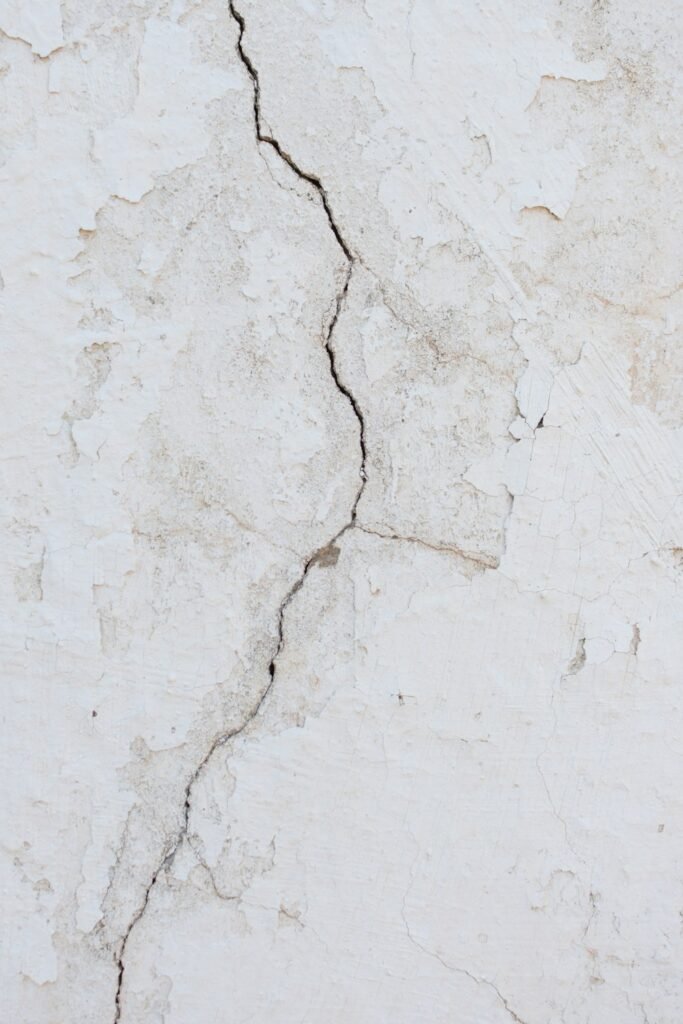
Diagonal cracks at windows and doors
The crack is cut out and rebuilt, and the opening checked for movement or leaks.
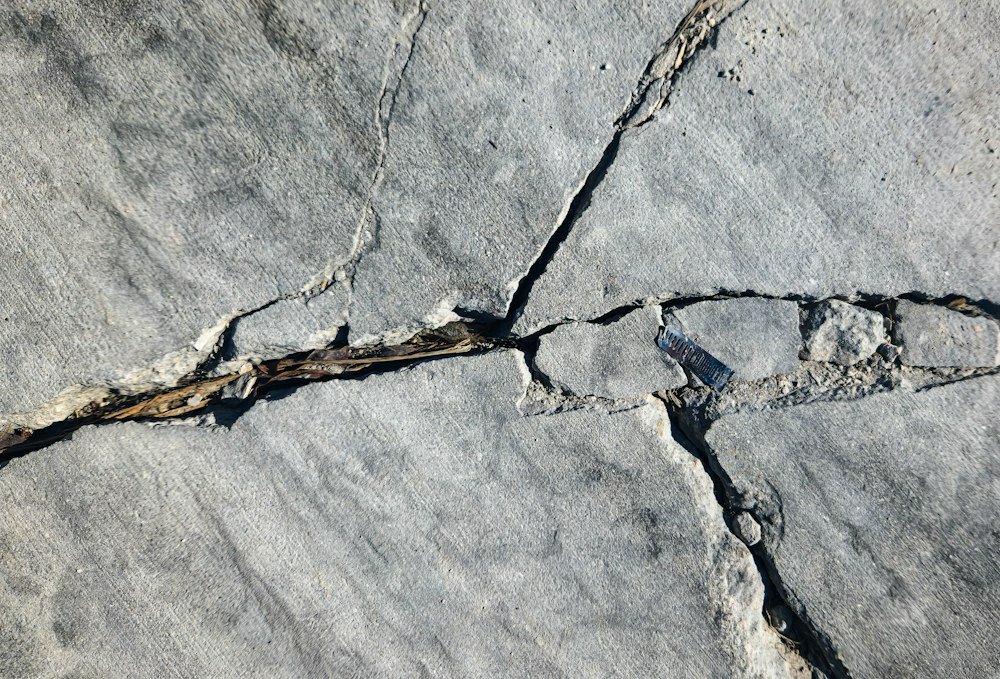
Wide cracks, bulges and hollow areas
The stucco has let go or the wall behind is moving or wet. That section is removed to sound material and rebuilt.
Home inspectors also flag stucco problems such as missing clearance above the ground, failed flashing around openings, blocked weep screeds and missing control joints (Super Inspector Training Academy).
Stucco Patching or Re-Stucco: Which Your Yonkers Wall Needs
Patching is cheaper today. Re-stucco is cheaper when a wall would otherwise need patching every year. This is how we tell the two apart.
Patching works when…
Cracks are few and the stucco is solid around them
Damage is in one area, such as a corner or around one window
The finish can be blended to the next corner or joint
The original stucco is sound and well bonded
Re-stucco is the better choice when…
Large areas sound hollow when tapped
Cracks and patches cover much of the wall
Water has damaged the lath or wall behind
Past repairs in mismatched materials are failing
Stucco Repair Over Brick and Older Masonry
Many older stucco walls are applied straight onto brick, block or stone rather than lath. When they crack, water gets between the stucco and the masonry, and the coat starts to let go.
On older lime-based stucco, we patch with a lime-based mix so the repair moves and breathes like the original; lime mortar repointing explains why softer, breathable mixes matter on old walls.
Remove loose stucco down to sound material
Repair the masonry underneath; see brick repair
Rebuild the coats with a mix that suits the wall
Stucco Color and Texture Matching for Seamless Repairs
A patch that does not match is the most common complaint about stucco repair. Matching starts with knowing which finish you have:
Identify the finish, from float or sand to dash, smooth trowel, or a combed or hand-tooled texture
Match the sand, since it sets most of the texture
Mix test samples and let them dry, because wet stucco looks darker
Finish to a natural break, such as a corner, trim line or control joint, so there is no visible patch edge
Repaint the whole wall, if it is painted, with a breathable masonry paint
The Base of a Stucco Wall: Weep Screeds and Clearance
Water that gets behind stucco needs a way out at the bottom. On framed walls, a weep screed along the base does that job; code places it at least 4 inches above the soil or 2 inches above paving (Philadelphia code, citing ASTM C926).
Stucco buried in soil or mulch wicks up water and stains or crumbles at the bottom. We restore clearance, add or clear the screed and repair the damaged band.
Above soil
Gray band: the weep screed, where water behind the stucco drains out.
Above paving
Gray band: the weep screed, where water behind the stucco drains out.
Stucco Repair Steps in Yonkers: Cutting Back, Rebuilding Coats and Matching the Finish
Seven steps, with the cause found and fixed before any new stucco goes on.
Inspect
We tap the wall to find hollow areas, check moisture and look at flashing, openings and the base.
Find the cause
Cracks and bulges usually have a reason: water, movement or a failed detail.
Cut back
Damaged stucco is cut out to sound material, with clean, square edges.
Repair behind
Lath, flashing or masonry is fixed before new stucco goes on.
Rebuild coats
Scratch, brown and finish, with curing time in between.
Match the finish
Texture and color are blended to a natural break.
Cure and clean up
The new stucco is kept damp while it cures, and the site is cleaned.
What Affects the Scope of Stucco Repair in Yonkers
We price after an inspection. The estimate is free.
Size and number of damaged areas
Patching versus re-stucco of whole walls
Damage to lath, framing or masonry behind
Finish texture, and whether the wall is painted
Wall height and access
Flashing, weep screed or clearance fixes at the base and openings
Stucco Repair for Yonkers Homes, Multifamily Buildings and Storefronts
Homes
Tudor and Colonial Revival houses, stucco gables and stucco chimneys.
Multifamily buildings
Stucco side walls and courtyards on older apartment buildings.
Storefronts
Stucco facades and sign bands on commercial buildings.
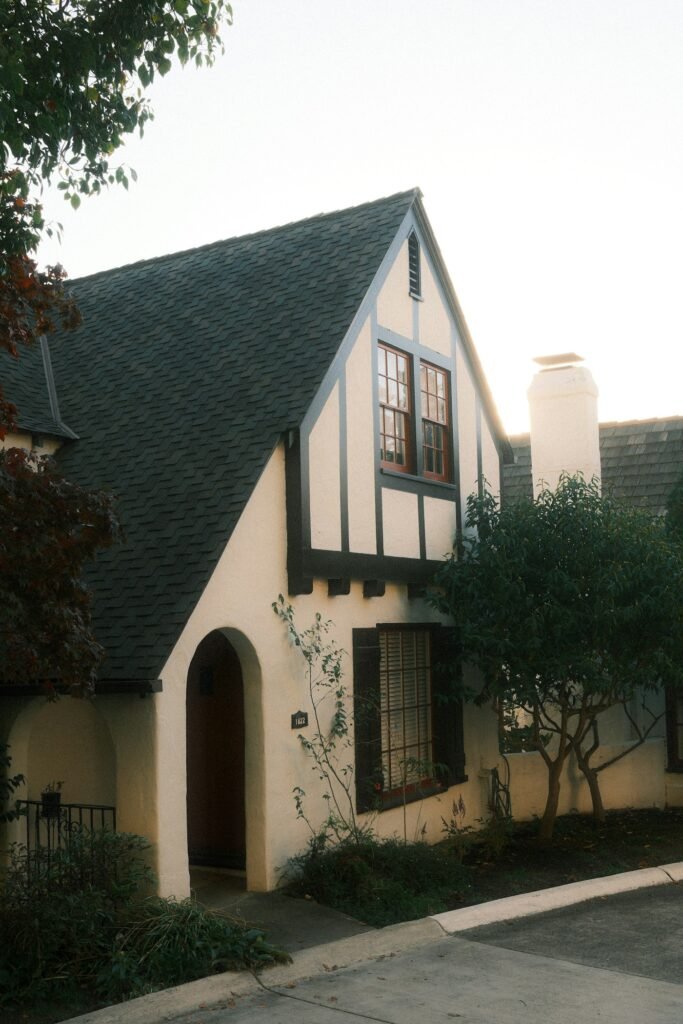
Stucco Houses in Yonkers and Bronxville
Stucco is part of the local look. In Yonkers’ Armour Villa, the oldest and most varied of the city’s four historic districts, stucco-walled 1930s colonials sit beside Victorians (WRAL, from The New York Times).
Next door in Bronxville, Lawrence Park includes traditional half-timber and stucco houses among its historic homes (Lawrence Park Historic District). On houses like these, a repair has to match the original texture closely, so we take extra care with samples.
Also serving: Mount Vernon, New Rochelle, Hastings-on-Hudson and Scarsdale.
Related Masonry Services for Stucco Walls in Yonkers
Stucco problems often start, or end, in the wall around it.
For the cement coat on foundation walls below the stucco.
For walls that keep taking water behind the finish.
For the masonry behind failed stucco.
For stains on stucco and the masonry around it.
Stucco Repair FAQs for Yonkers Homeowners
Can you match my existing stucco texture and color?
In most cases, yes. We identify the finish, match the sand, test samples and blend the repair to a corner or joint so there is no visible patch line.
Are small cracks in stucco a problem?
Thin hairline cracks are common and usually cosmetic. Cracks that widen, run diagonally from openings, or come with bulges or stains should be looked at, because they can let water in.
How can I tell if my house has real stucco or EIFS?
Traditional stucco feels hard and sounds solid when tapped. EIFS feels softer and can sound hollow. We can confirm on a visit.
When is it time to re-stucco the whole wall?
When large areas sound hollow, cracks and old patches cover much of the wall, or water has damaged what is behind it. Patching a wall in that state only buys a little time.
Can stucco be removed to show the brick underneath?
Sometimes, but carefully. The brick under stucco was often never meant to be seen and may be rough or damaged. We open a test area first so you can decide.
Why is my stucco stained or crumbling at the bottom?
Usually it is too close to the ground or buried in soil or mulch, so it wicks up water. We restore the clearance, fix the weep screed and repair the damaged band.
Get a Free Stucco Repair Estimate in Yonkers
Send photos of the cracks or damage, or book a visit. We will tell you whether a patch will last or the wall needs new stucco.