- Licensed & Insured
- Free Estimates
- Mon–Fri, 8 AM – 6 PM
Serving Yonkers & Southern Westchester, NY

Lintel Replacement in Yonkers, NY for Rusted Steel Lintels
Brick Pointing Yonkers, NY replaces rusted steel lintels over windows, doors and storefront openings. We support the brick above, remove the old steel, set a new protected lintel with proper bearing, add flashing and weep holes, and relay matched brick. Caught early, a rusting lintel can sometimes be treated instead. The estimate is free.
- Licensed & insured
- 10+ years in Yonkers
- Free estimates · Mon–Fri 8–6
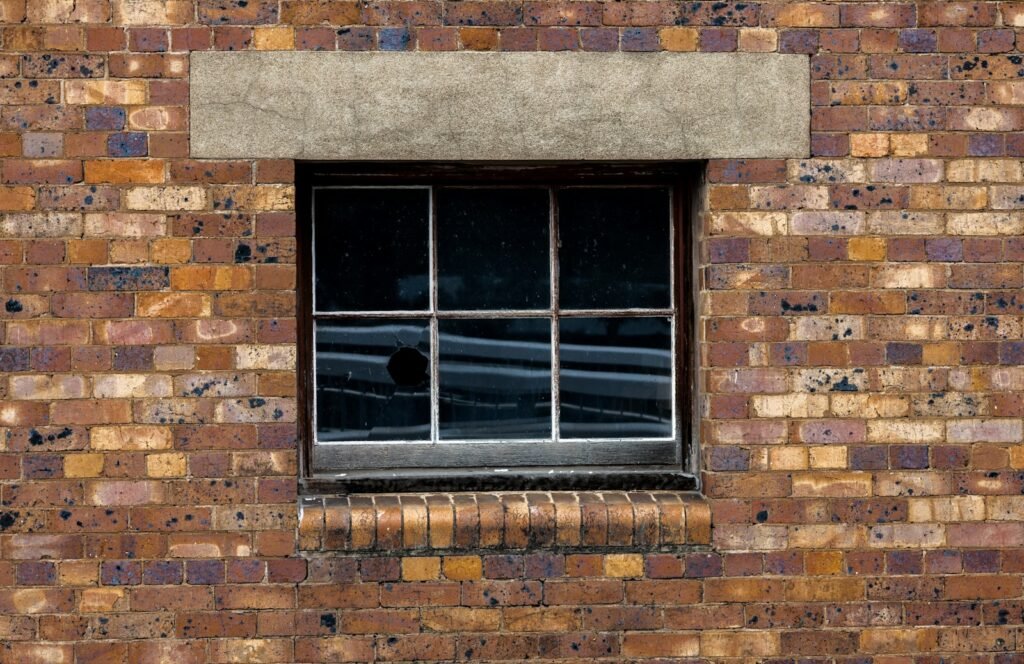
Caught early, costs less
A stage 1 lintel can often be treated, not replaced
What a Lintel Does, and Why Steel Lintels Fail
A lintel is the beam that carries the brick over a window, door or other opening. In many brick buildings it is a steel angle, or several angles set back to back in thicker walls (Brick Industry Association TN 31B). The steel sits inside the wall, where water reaches it through joints and cracks above.
Once it rusts, it grows. The rust takes up more room than the steel it came from, so it pushes the brick up and out. Inspectors see this often: rusted lintels can expand and crack the brick around openings (Super Inspector Training Academy).
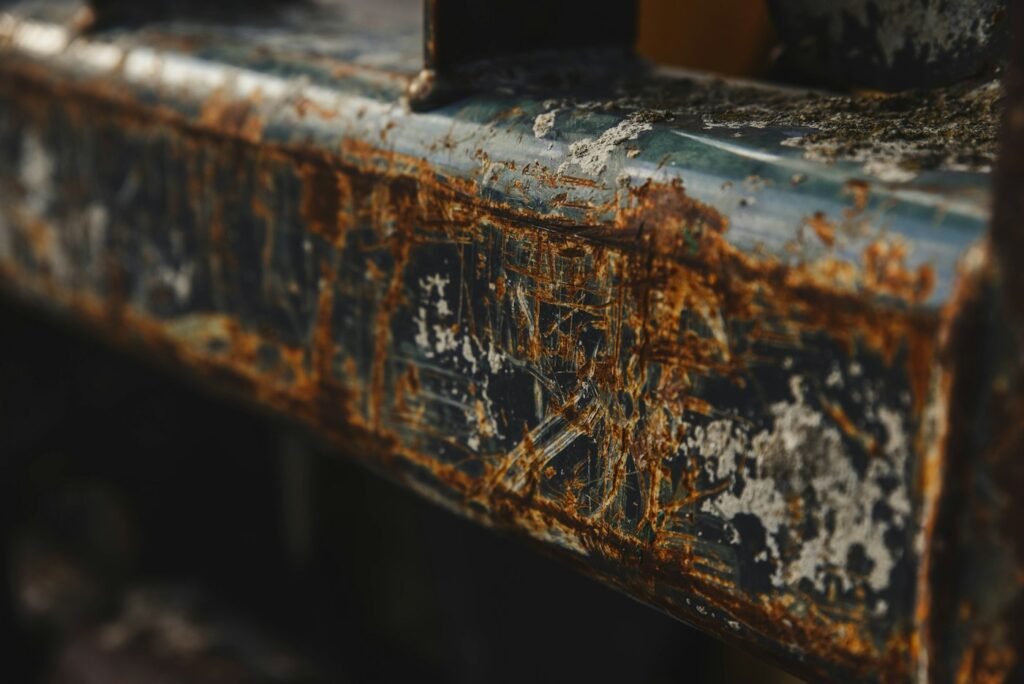
Rust jacking
What masons call it when expanding rust on a steel lintel lifts and cracks the brick above it.
Rust Jacking in Four Stages: When a Lintel Needs Replacement
Rusting lintels move through the same four stages. The earlier the stage, the smaller the job.
Stage 1
Staining
You see: orange streaks under the window head, flaking paint on the steel.
It means: surface rust; the lintel is still solid.
Usual fix: clean, prime and paint the exposed steel; check flashing above.
Stage 2
Hairline cracks
You see: a thin crack along the joint just above the lintel, or at the top corners of the opening.
It means: rust has begun to lift the brick.
Usual fix: open the ends, check the steel’s thickness; treat or replace.
Stage 3
Lifting brick
You see: stair-step cracks rising from the corners; brick above visibly raised; steel peeling in layers.
It means: the lintel is losing section and pushing hard on the wall.
Usual fix: replace the lintel.
Stage 4
Displacement
You see: bricks bulging or dropping; lintel sagging; window or door binding.
It means: the opening is losing support.
Usual fix: replace now, with temporary support first.
A stage 1 lintel caught today can avoid a stage 3 replacement a few winters later.
Treat or Replace a Rusted Lintel in Yonkers?
Not every rusty lintel has to come out. This is how we decide.
| ✓ Treat in place when… | ✕ Replace when… |
|---|---|
| Rust is on the surface only | Steel has lost thickness or is peeling in layers |
| The lintel is straight | The lintel sags or has twisted |
| Brick above has not moved | Brick above has lifted, cracked or dropped |
| The ends are sound where they rest on brick | The ends have rusted thin where they bear on the wall |
What treatment means: exposing the steel face, removing rust down to sound metal, priming and painting it, and fixing the water source above. It buys time. Replacement fixes the problem for good.
Our Lintel Replacement Process in Yonkers
A lintel is replaced from the outside, usually with the window or door left in place. The wall above is supported the whole time.
4 inches of bearing
Residential code calls for at least 4 inches of bearing at each end of a lintel, so we repair the brick it rests on first.
1
Inspect and measure
We open the brick at the lintel ends to see the steel and measure the opening, wall thickness and bearing.
2
Support the wall
Temporary shores or needles carry the brick above before anything is removed.
3
Remove brick above
We take out brick in a stepped pattern over the lintel, saving sound units for reuse.
4
Take out the old steel
The rusted lintel is cut free and removed.
5
Check the bearing
The brick where the new lintel will rest is repaired, with at least 4 inches of bearing at each end (R703.8.3 handout).
6
Set the new lintel
A protected steel lintel sized to the opening and the wall.
7
Flash and weep
Flashing goes over the lintel with end dams, and weep holes let water out (MCAA).
8
Relay the brick
Matched brick goes back in the original bond, with any arch or soldier course rebuilt as it was.
9
Repoint, seal and clean up
Joints are finished, the window perimeter is sealed and the area is cleaned.
Steel Lintel Materials We Use for Replacement
Steel lintels in exterior walls need corrosion protection, such as zinc galvanizing or paint (Mason Contractors Association of America). We choose the lintel by opening size, wall and exposure.
| Lintel | Strengths | Where we use it |
|---|---|---|
| Hot-dip galvanized steel | Zinc coating inside and out; strong rust resistance | Most window and door replacements |
| Primed and painted steel | Lower cost; needs the paint kept up where exposed | Interior or protected openings |
| Stainless steel | Highest rust resistance | Very wet exposures and high-end restoration |
| Steel beam with plate | Carries heavier loads across wide spans | Storefront openings and wide garage doors in solid walls |
Why New Lintels Get Flashing and Weep Holes
Most old lintels failed because water sat on them for decades. Flashing over the steel, set between the steel and the brick facing, collects water and sends it out of the wall (Brick Industry Association TN 31B). This is the part that makes the new lintel last; for wider water problems see masonry waterproofing.
Flashing
A membrane over the steel catches water that gets into the wall above.
End dams
Turned-up ends stop water running off the sides into the wall.
Weep holes
Small openings in the joint below the brick give the water a way out.
Openings We Replace Lintels Over in Yonkers
From a single basement door to a full storefront, these are the openings we work over on homes, multifamily buildings and shops.
Windows
Single, paired and bay windows on brick homes and apartment buildings.
Doors
Front entries, side and back doors, and basement doors.
Storefronts
Wide shop openings, often carried on heavier steel.
Garage doors
Wide spans on brick garages and ground floors.
Arches and heads
Soldier courses and arches rebuilt over new steel to match.
What Affects the Scope of Lintel Replacement in Yonkers
We price after we open and inspect the lintel ends, and the estimate is free. One small window head and a wide storefront are very different jobs.
01
Width of the opening and thickness of the wall
02
How much brick above must come out
03
Floor level and access: ladder, lift or scaffold
04
Lintel type: angle, multiple angles or beam with plate
05
Decorative brickwork to rebuild
06
Window trim or frames that need resetting
Steel Lintels in Yonkers’ Industrial-Era Brick
Yonkers grew as an industrial city. Westchester County’s history notes Otis Elevator and the Alexander Smith Carpet Company among the big employers here between 1865 and 1920 (Westchester County).
The brick homes, apartment buildings and commercial blocks built for that workforce often span their openings with steel. After a century of water, those lintels are now among the most common sources of cracked brick we see.
Also serving: Mount Vernon, New Rochelle, Bronxville, Hastings-on-Hudson and Scarsdale.
Related Masonry Services in Yonkers
Cracked brick around an opening is not always the lintel. These services cover what we often find next to it: Brick Repair Yonkers for cracks with other causes, Brick Replacement Yonkers for broken bricks above the opening, Brick Wall Rebuilding Yonkers when damage spreads beyond the opening, and Parapet Wall Repair Yonkers for the roof edge above top-floor windows.
Lintel Replacement FAQs for Yonkers Property Owners
How do I know if my lintel is rusting?
Look just above your windows and doors. Orange streaks, flaking paint on the steel, a crack along the joint above it, or brick that looks raised are the common signs.
Can a rusted lintel be treated instead of replaced?
Yes, when the rust is only on the surface and the brick above has not moved. We clean, prime and paint the steel and fix the water source. If the steel has thinned or the brick has lifted, it should be replaced.
Do my windows have to come out to replace a lintel?
Usually not. Most lintels are replaced from the outside with the window left in place. Sometimes exterior trim is removed and reset.
Will the brick above the window match when you are done?
We reuse the original brick wherever it is sound and match the rest. Arches and soldier courses are rebuilt in their original pattern.
Is a sagging lintel dangerous?
It can be. A sagging lintel means the opening is losing support, and bricks above can drop. Keep people away from below it and call for an inspection soon.
Do you replace lintels on upper floors and storefronts?
Yes. Upper floors are reached by lift or scaffold, and storefront openings may need heavier steel. We plan storefront work to keep your entrance usable.
Get a Free Lintel Replacement Estimate in Yonkers
Seeing rust or cracks above a window or door? Send a photo or call us, and we will tell you which stage it is at and what it will take to fix.