- Licensed & Insured
- Free Estimates
- Mon–Fri, 8 AM – 6 PM
Serving Yonkers & Southern Westchester, NY

Lime Mortar Repointing in Yonkers, NY for Older Brick and Stone
Brick Pointing Yonkers, NY repoints older brick and stone walls with lime-based mortar matched to the building. We check what your walls were built with, remove hard cement patches without harming the masonry, and pack the joints with a mix that is softer than your brick or stone. That protects the wall for the next repointing cycle.
- Licensed & insured
- 10+ years in Yonkers
- Free estimates · Mon–Fri 8–6
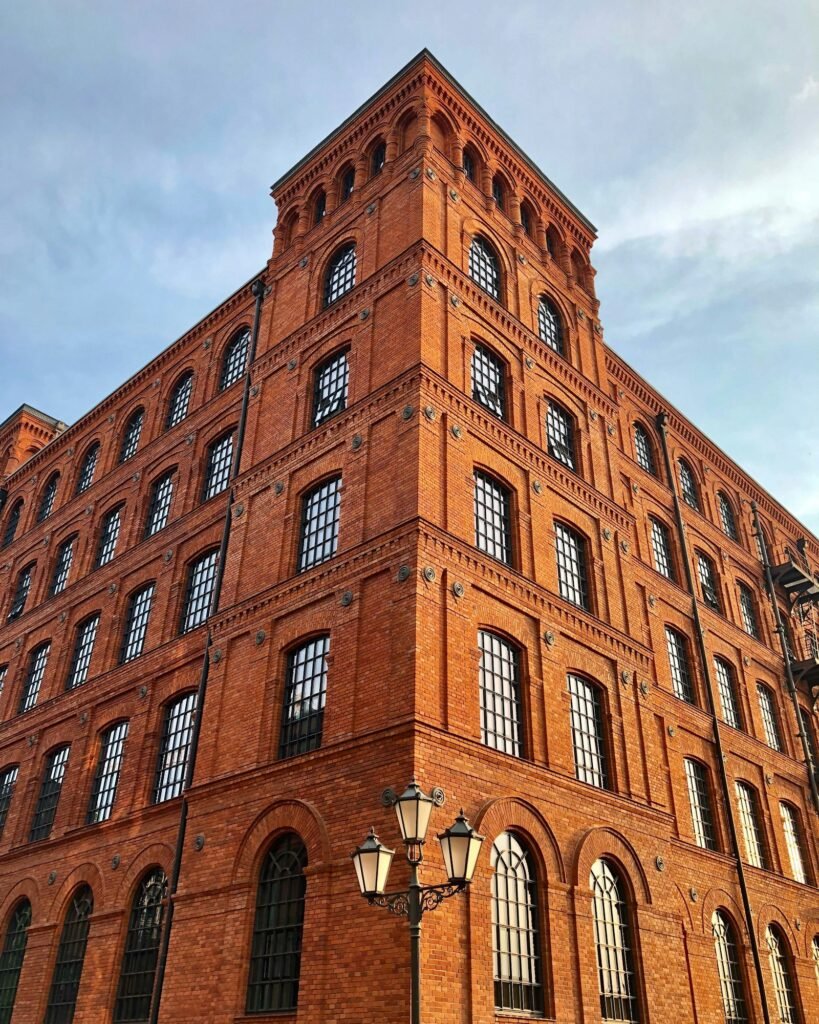
Softer than your brick
Mortar matched so the joint wears, not the masonry
Why Older Yonkers Walls Need Lime Mortar Repointing
In a healthy masonry wall, the mortar is the part that wears out, so the brick or stone does not. The National Park Service puts it simply: mortar has to be softer than the masonry it holds together (NPS). Its repointing guidance adds that new mortar should be no harder or less breathable than the historic mortar (NPS Preservation Brief 2).
Most brick buildings from before 1900 were laid in lime-based mortar with brick that is softer than modern brick (Maine Preservation). Lime-rich mortar lets moisture leave the wall through the joints and gives a little as the building moves. A dense cement mortar does neither, so the stress and the water move into the brick instead, which can lead to spalling. Our brick replacement page shows what that damage looks like.
Hard cement on soft brick
- Joint stays put while the brick wears back
- Moisture is trapped and exits through the brick face
- Brick edges crack and faces spall
Lime mortar on soft brick
- Joint wears slowly and takes the weather
- Wall dries out through the joints
- Brick stays whole for the next repointing cycle
Signs Your Yonkers Building Needs Lime Mortar, Not Cement
These clues tell us a wall was built with lime and should be repointed with it. Most are easy to spot from the sidewalk or the basement.
Older construction
Brick or stone laid before the mid-1900s, especially with soft, sandy original mortar.
Cement patches standing proud
Hard gray repairs that stay in place while the brick around them wears back.
Spalling next to repairs
Brick faces flaking right beside earlier cement repointing.
Soft, powdery original joints
The first mortar crumbles to sand under a key, a sign it was lime-based.
Damp inside walls
Walls that stayed dry for decades and turned damp after a cement repointing job.
Handmade or soft brick
Bricks that scratch easily or vary in color and size from one to the next.
Lime Mortar Types We Use for Repointing in Yonkers
There is no single “lime mortar.” We pick the mix that matches your masonry, its exposure and the original joints.
| Mortar | How it sets | Where it fits |
|---|---|---|
| Lime putty (non-hydraulic) | Hardens slowly by taking in carbon dioxide from the air | The softest historic brick and stone; sheltered walls |
| Natural hydraulic lime (NHL) | Sets partly with water, then keeps hardening from the air; graded by strength | Most older brick and stone in exposed spots |
| Lime-rich cement mixes (Type O, Type K) | A small share of cement for an earlier set | Some historic repointing work, as noted by the Utah State Historic Preservation Office |
| Natural cement | Fast-setting mix made from cement rock | Buildings first laid with natural cement; ASTM C10 was reinstated in 2006 (Rosendale Cement) |
We match the sand too. Sand gives mortar most of its color and texture, so a matched sand lets new joints sit quietly in an old wall instead of standing out as a patch.
Our Lime Mortar Repointing Process in Yonkers
Lime work is slower than cement work, and every step is there for a reason. Here is the order we follow on Yonkers buildings.
1
Sample the old mortar
We take a small piece of original mortar and study its color, sand and hardness. For important buildings, we can arrange lab analysis.
2
Check the masonry
We test how hard and absorbent the brick or stone is, so the new mortar stays softer than it.
3
Design the mix
We choose the lime type, sand and proportions, then make test samples.
4
Build a test panel
You approve the cured color and texture on a small area before the full job.
5
Remove the old mortar
Joints are cleared by hand and with oscillating tools, which are far gentler on old brick than circular saws (Maine Preservation).
6
Dampen and pack
Joints are dampened, then filled in layers, each pressed firm before the next.
7
Finish the joint
We tool or brush the surface at the right moment to match the original profile.
8
Cure and protect
The work is kept damp and shaded for several days, and covered against frost and driving rain.
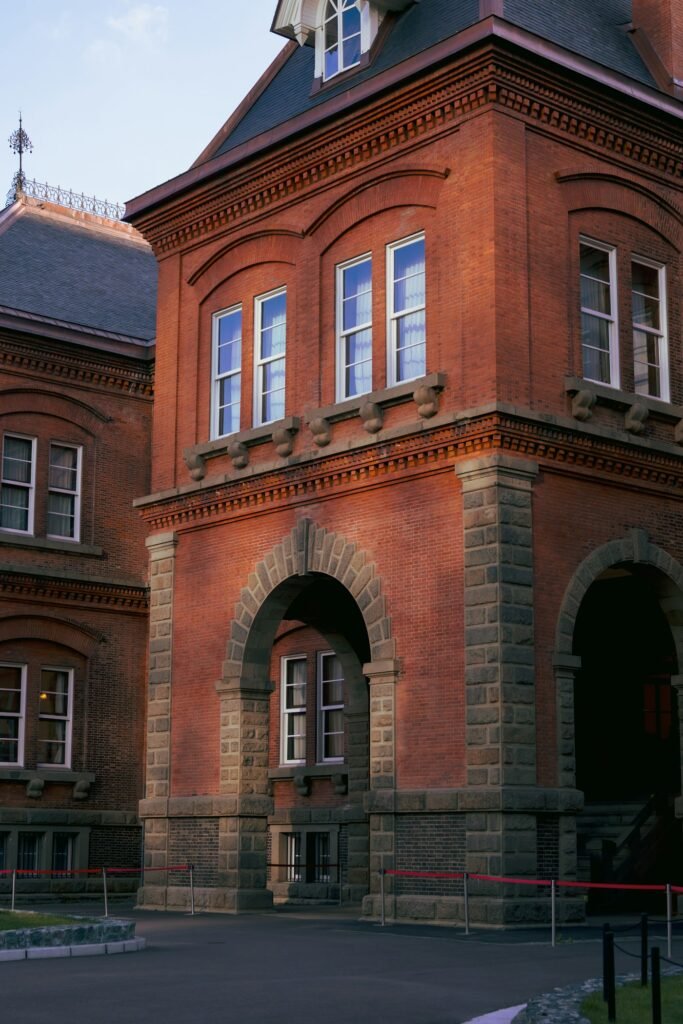
Removing Cement Mortar from Old Brick Without Damage
Hard cement repointing is the most common damage we undo on older Yonkers walls. Cement holds tight to soft brick, so pulling it out carelessly breaks the brick edges and widens every joint. We cut cement joints out slowly, working from the center of the joint toward the edges, and stop if the brick starts to chip. Bricks already damaged by the cement are replaced before repointing.
Not every old patch has to go at once. We tell you which repairs are causing harm now and which can wait.
Remove now
Cement joints that are spalling brick, trapping damp or pulling away from the wall.
Can wait
Old patches on a sound wall that are not causing harm, left for the next full repointing.
Curing and Protecting Lime Mortar in Yonkers Weather
Lime mortar needs care while it sets. Too much sun or wind dries it before it can harden, and frost can damage it while it is still soft. That is a big reason lime work should be done by a crew that does it often, and why we plan each elevation around the forecast.
Mist
Joints are misted so the lime sets instead of drying out.
Shade
Burlap or shade cloth on walls exposed to sun and wind.
Frost watch
Work is timed around cold, and fresh joints are covered against frost and driving rain.
What Affects the Scope of Lime Mortar Repointing in Yonkers
Two things set the size of a lime job: the state of the wall and what the work needs around it. We price after a site visit, and the estimate is free.
The wall itself
- How much original mortar has failed, and how deep
- Amount of hard cement repointing to remove first
- Brick or stone condition, and units to replace
The job around it
- Whether mortar analysis or test panels are needed
- Wall height, access and protection while it cures
- Joint finish: flush, struck, recessed or tuckpointed
Lime Mortar Repointing for Yonkers Homes, Multifamily Buildings and Storefronts
Homes
Older brick and stone houses where earlier cement repairs have started to harm the walls. We often start with the worst elevation and phase the rest.
Multifamily buildings
Pre-war apartment buildings with soft brick, repointed elevation by elevation, with sidewalk protection and tenant access built into the schedule.
Storefronts
Older commercial blocks where the upper floors keep their historic brick above newer shop fronts, planned so the shop can stay open.
Rosendale Cement, the Croton Aqueduct and Yonkers Masonry
The Hudson Valley has its own mortar history. Rosendale, in Ulster County, produced natural cement from 1825, and more than half of all natural cement made in the U.S. came from cement rock mined in and around that town (Wikipedia). Rosendale cement went into the Croton Aqueduct and its dams (Rosendale Cement), and the Old Croton Aqueduct line runs right through Yonkers.
So older masonry in this region may hold lime mortar, natural cement or a mix of both. That is why we look at your mortar before we choose ours.
Also serving: Mount Vernon, New Rochelle, Bronxville, Hastings-on-Hudson and Scarsdale.
1825
Rosendale, Ulster County, begins producing natural cement.
50%+
of all U.S. natural cement came from cement rock in and around Rosendale.
Related Masonry Services in Yonkers
Lime work often sits alongside these services on older buildings.
Lime Mortar Repointing FAQs for Yonkers Buildings
Is lime mortar strong enough to hold up a building?
Yes. Lime mortar is meant to be softer than the brick or stone, not weak. Many walls laid in lime have stood for well over a century. Its job is to bed the masonry and wear out first.
How do you know what mortar my building has?
We look at a sample’s color, sand and hardness, and how it reacts when scratched and wetted. For historic or complex buildings, we can send a sample to a lab for analysis.
Can you remove cement mortar without damaging old brick?
In most cases, yes. We cut it out slowly with hand tools and oscillating blades instead of large grinders. Where a brick edge is already broken, we replace that brick before repointing.
Does a newer house need lime mortar?
Usually not. Newer homes are often built with harder brick and cement-lime mortar, so we match that. Lime-rich mixes are for older, softer masonry.
How long does lime mortar take to harden?
It firms up over several days but keeps gaining strength for weeks and months as it takes in carbon dioxide. That is why we protect it while it cures.
Will lime mortar wash out in the rain?
Not once it has cured. While fresh, we cover it against driving rain. Over many years it wears back slowly, which is by design: the joint takes the weather instead of your brick.
Get a Free Lime Mortar Repointing Estimate in Yonkers
Tell us roughly when your building went up, or send photos of the joints. We will check the mortar and recommend the right mix before any work is quoted.