- Licensed & Insured
- Free Estimates
- Mon–Fri, 8 AM – 6 PM
Serving Yonkers & Southern Westchester, NY

Tuckpointing in Yonkers, NY: Fine Ribbon Joints for Brick Facades
Brick Pointing Yonkers, NY does true tuckpointing for brick homes, multifamily buildings and storefronts. We fill each joint with mortar tinted to the brick, then lay a thin ribbon of lime putty down its center and trim it straight. The result makes uneven brick look precise. We also restore worn tuckpointing on older facades.
- Licensed & insured
- 10+ years in Yonkers
- Free estimates · Mon–Fri 8–6
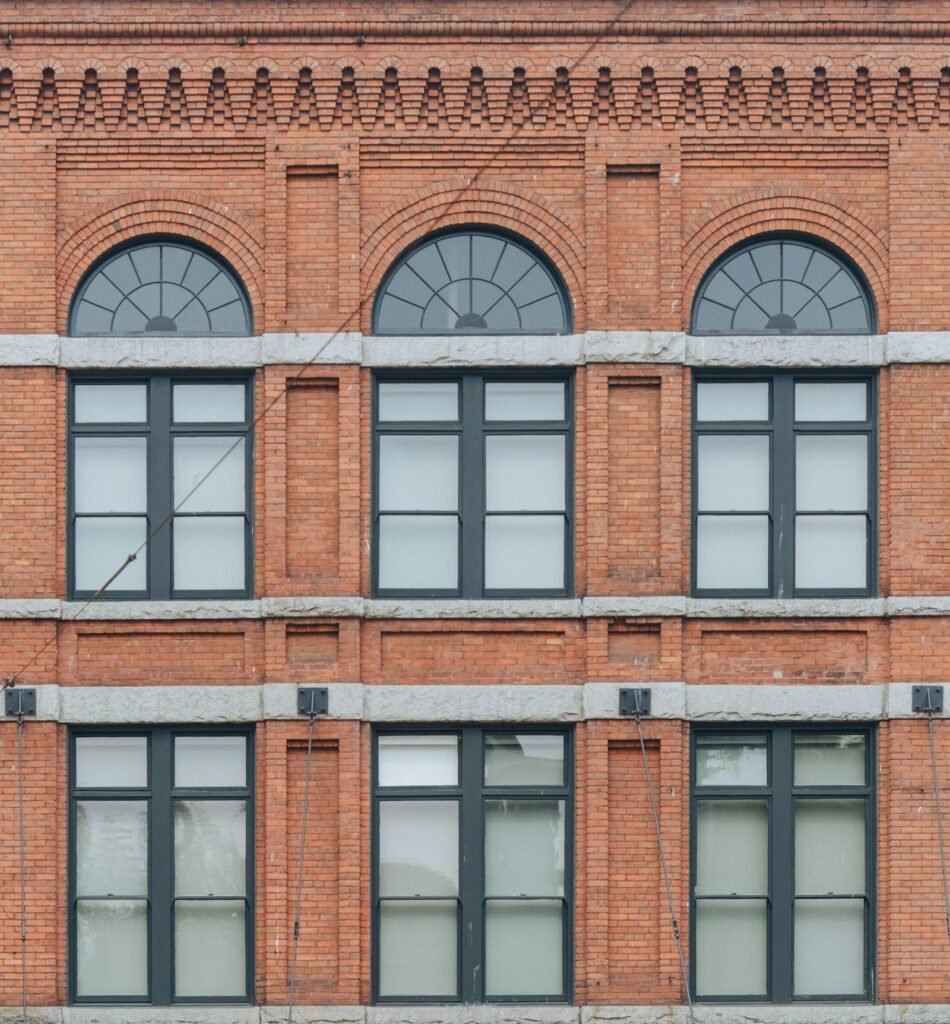
Two layers, one crisp line
Brick-colored stopping under a fine lime putty ribbon
What Is Tuckpointing? The Two-Layer Ribbon Joint Explained
Tuckpointing is a two-layer joint finish. The first layer, called stopping, is mortar colored to match the brick. While it is still soft, the mason scores a groove along it, fills the groove with a narrow ribbon of lime putty and fine sand, and trims both edges with a ribbon knife known as a Frenchman (SPAB).
From a few steps away, the brick-colored stopping blends into the bricks and the eye reads only the thin ribbon. The wall looks as if it were laid with perfectly cut bricks and very fine joints. English builders used the method from the late 1600s into the early 1900s to imitate costly gauged brickwork and to dress up irregular or cheaper brick.
On a Yonkers facade, that makes tuckpointing as much about looks as protection: the stopping seals the joint against water, and the ribbon gives the wall its sharp, even lines.
Layer 1: The stopping
Mortar tinted to your brick and packed flush with the face. It seals the joint and hides its true width.
Layer 2: The ribbon
A thin line of lime putty and fine sand, raised or flat, in white, cream or black.
The trim
A Frenchman knife run along a straightedge cuts both edges clean, so every line runs true.
Tuckpointing vs Repointing in Yonkers: Which Finish Your Wall Needs
In the U.S., many contractors say “tuckpointing” when they mean ordinary repointing. The term originally named a specific decorative finish (Mason Contractors Association of America). Here is how the three options differ, so you know exactly what you are being quoted for.
| Finish | How it is done | How it looks | Best for |
|---|---|---|---|
| Standard repointing | Worn mortar is raked out and replaced with one mortar, tooled to a single profile | Joints in one color, the same width as the actual joint | Most brick walls; see brick pointing in Yonkers |
| Tuckpointing | Brick-colored stopping, grooved, plus a raised or flat ribbon of lime putty in a contrasting color | Thin, sharp lines that hide the real joint width | Facades with uneven or worn brick, and buildings that had it originally |
| Bastard tuckpointing | The ribbon is formed from the same material as the stopping | A raised line in one color | A softer look, or matching an existing bastard-tuck facade |
Worn joints, sound brick
If you only need worn joints filled and sealed, standard repointing is the right service, and it costs less than a two-layer finish.
You want the crisp line
If you want the fine ribbon, or your building already has it, you need tuckpointing. We renew both layers together.
Signs Your Yonkers Facade Needs Tuckpointing Repair
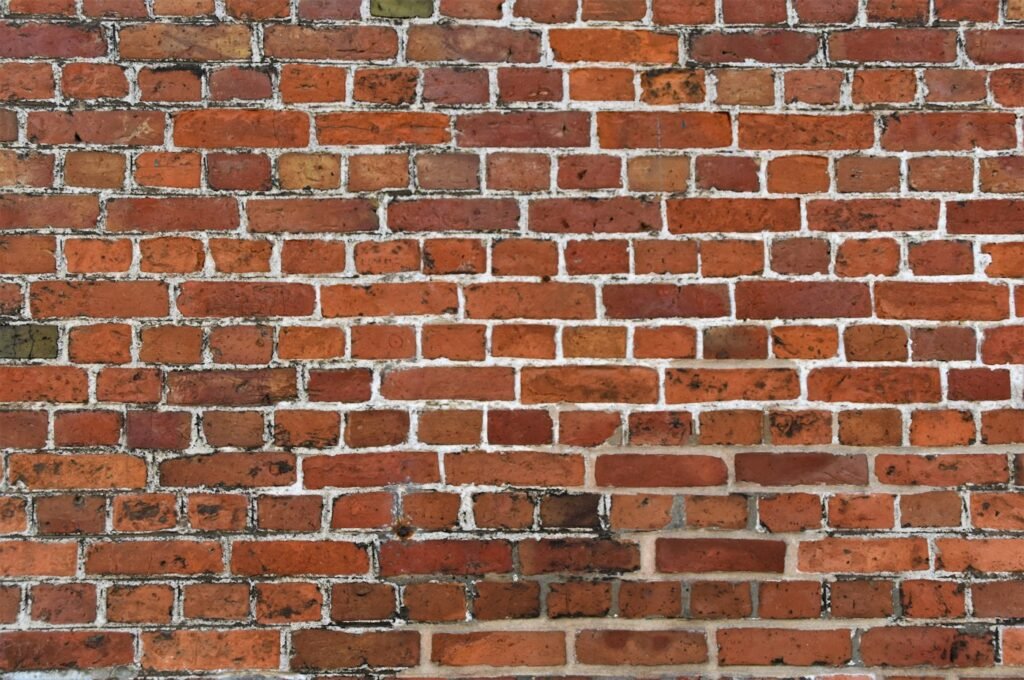
Tuckpointing fails in two places: the ribbon on the surface and the stopping underneath. These are the signs we look for when we walk a facade.
Faded or missing ribbons
The fine lines are broken, washed out or gone in patches.
Eroded stopping mortar
The brick-colored base is crumbling or recessed, so the ribbon has nothing solid to sit on.
Loose ribbons
Sections of putty lift away from the joint or drop off in strips.
Gray patch repairs
Past repairs in plain gray mortar break the pattern across the wall.
Sandblasted fronts
Abrasive cleaning wears away the ribbon along with the brick face. See brick cleaning for gentler methods.
Ragged-looking brick
Worn or uneven brick edges make standard joints look wide and messy.
Good to know: a faint ribbon alone is not a reason to redo the joints. If the stopping underneath is still sound and the wall is not taking water, it can wait (SPAB).
Our Tuckpointing Process in Yonkers, Step by Step
Every joint is worked twice, so the order of the work matters. This is how we tuckpoint a facade from first photo to final clean.
01
Record the original
We photograph the facade and measure the ribbon width, height, color and profile before anything is removed.
02
Make a test panel
We tuckpoint a small, out-of-the-way area so you can approve the stopping color and ribbon first.
03
Rake out the joints
Failed mortar comes out to a sound depth without chipping the brick edges.
04
Fill the stopping
Joints are packed with mortar tinted to the brick and finished flush with the face.
05
Score the groove
While the stopping is still soft, we cut a straight, even groove along each joint.
06
Lay the ribbon
Lime putty and fine sand go into the groove with a tuck iron.
07
Trim the edges
A Frenchman cuts away the excess along a straightedge, leaving a crisp line.
08
Cure and clean
The work is shielded from fast drying, then the brick face is cleaned gently.
We never lay a new ribbon over old stopping.
A ribbon placed on aged mortar does not bond well and can come away (SPAB), so both layers are renewed together.
Tuckpointing Restoration for Older Yonkers Buildings
On a building that was tuckpointed when it was built, the joints are part of its character. Before we touch anything, we read what is left of the original work. Where it is too worn to read, we look at protected spots such as under cornices, inside porches and behind downspouts, where the first ribbons often survive.
Ribbon color
White, cream or black, matched to what survives on the wall
Ribbon profile
Raised or flat, at the original width and height
Stopping color
Mixed to your brick, not picked from a stock chart
The mortar for both layers must suit the age of the brick. For soft, older brick we use lime-based mixes; our lime mortar repointing page explains why that matters.
What Affects the Scope of a Tuckpointing Job in Yonkers
Tuckpointing takes longer than standard pointing because every joint is worked twice, plus scoring and trimming. We price after we see the wall, and the estimate is free.
If spalled bricks need swapping first, we handle that before any pointing starts; see brick replacement.
Wall area and elevations
Many buildings had the finish only on the street front, so we quote by elevation.
Stopping and brick edges
Crumbling stopping or worn brick edges mean more raking and filling.
Ribbon type
Raised, flat and bastard tuck each take a different amount of hand work.
Color matching
Both layers are matched, with cured samples approved before the full job.
Height and access
Ladders, a lift or scaffolding, depending on the wall and the street.
Hidden repairs
Old gray patches or damaged brick found once the joints are opened.
Tuckpointing for Yonkers Homes, Multifamily Buildings and Storefronts
Homes
Street-facing fronts of row houses and older brick homes, where crisp joints lift the whole look of the house from the sidewalk.
Typical areas: front elevations, porch piers, chimney breasts
Multifamily buildings
Entrance bays and lower floors of walk-ups and pre-war apartment buildings, done in stages so tenants keep access to doors and windows.
Typical areas: entrance bays, lower floors, courtyard fronts
Storefronts
Brick piers and fascia around shop windows, where a sharp finish draws the eye at street level. Work is phased around opening hours.
Typical areas: piers, sign bands, upper facades
40+
brickyards were working in Haverstraw in the 1880s, shipping brick down the Hudson (Haverstraw Brick Museum).
Haverstraw Brick and Tuckpointing in Yonkers
Much of the older brick around Yonkers came down the river from Hudson Valley brickyards, and the Haverstraw Brick Museum’s director has said most Hudson River towns were built with Haverstraw brick (ArtDaily / NYT).
Brick from that era varies in size and edge sharpness, which is exactly the problem tuckpointing was made to hide. On these walls, a fine ribbon can make a tired facade look sharp again without replacing a single sound brick.
Also serving: Mount Vernon, New Rochelle, Bronxville, Hastings-on-Hudson and Scarsdale.
Related Masonry Services in Yonkers
Tuckpointing often goes hand in hand with these services on the same wall.
Standard repointing of worn brick joints in a single mortar color.
Soft, matched lime mortar for historic and handmade brick.
Joint repair for stone walls, fieldstone foundations and stone trim.
Gentle facade cleaning that prepares the wall without wearing the brick.
Tuckpointing in Yonkers: Frequently Asked Questions
Why do some contractors call all repointing "tuckpointing"?
In many parts of the U.S. the two words came to be used as one. The original tuckpointing is a specific two-color finish with a thin ribbon. When we quote, we say clearly which one you are getting.
Is tuckpointing only for historic buildings?
No. It suits any brick wall where you want crisp, fine-looking joints, including newer homes with uneven or tumbled brick. It is most common on older facades because that is where it started.
Can tuckpointing be added to a wall that never had it?
Yes, if the brick and joints are in good shape. We make a test panel first so you can see the finished look before deciding on the whole wall.
My ribbons are faded but the joints look solid. Do I need to redo them?
Usually not yet. Faded ribbons are a looks issue. If the stopping mortar is still sound and the wall is not taking water, we may suggest waiting or doing only the worst areas.
Does tuckpointing take longer than regular repointing?
Yes. Each joint gets two passes, plus scoring and trimming, so a tuckpointed wall takes noticeably more time than the same wall repointed in one color.
Can stone walls be tuckpointed?
Yes. Tuckpointing is used on stone as well as brick, usually with wider tools to suit the larger joints. For general stone joint repair, see our stone repointing service.
Get a Free Tuckpointing Estimate in Yonkers
Send us a photo of your facade or book a visit. We will tell you honestly whether you need true tuckpointing or standard repointing, and give you a written estimate.