- Licensed & Insured
- Free Estimates
- Mon–Fri, 8 AM – 6 PM
Serving Yonkers & Southern Westchester, NY

Parapet Wall Repair in Yonkers, NY for Coping, Flashing and Roof Edges
Brick Pointing Yonkers, NY repairs and rebuilds parapet walls on apartment buildings, storefronts and flat-roof homes. We reset loose coping on stainless anchors, install flashing under the coping, repoint or rebuild the brick and work with your roofer at the roof line. The result is a roof edge that stays dry and stays put.
- Licensed & insured
- 10+ years on Yonkers rooftops
- Free estimates · Mon–Fri 8–6
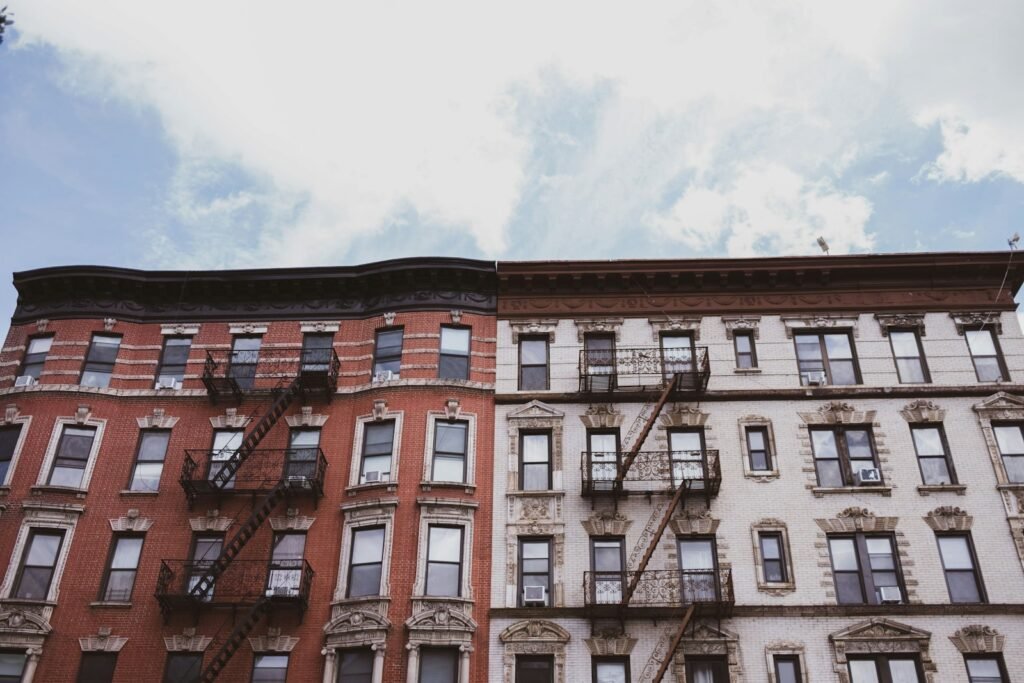
Flashed under the coping
The layer most old parapets were built without
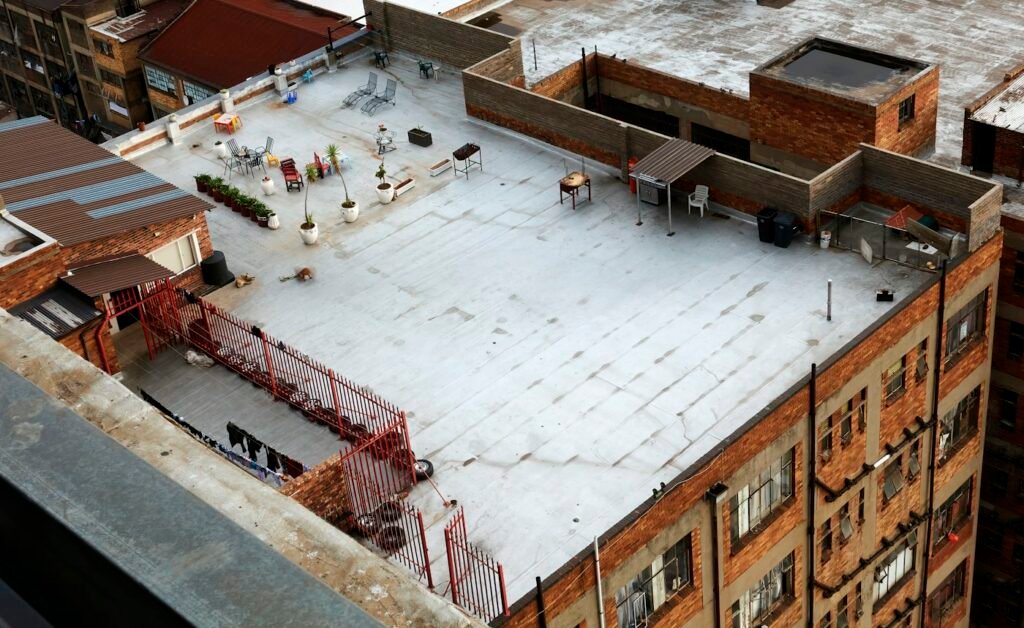
What a Parapet Wall Is, and Why Yonkers Buildings Have So Many
A parapet is the part of an exterior wall that rises above the roof. On flat-roof buildings it forms the roof edge, hides rooftop equipment and acts as a guard. It is topped by coping, a cap of stone, terra cotta, concrete or metal that sheds water off the wall.
Because a parapet stands in open air, it takes more weather than any other wall on the building. Across Yonkers, walk-ups, apartment buildings and commercial blocks are ringed by them, which is why so many top-floor leaks start at the roof edge.
Anatomy of a Parapet Wall, Top to Bottom
From the top down, a well-built parapet has these seven layers. When one of them is missing or failed, water finds the wall.
Coping: sloped toward the roof, with a drip edge on both sides so water falls clear of the wall.
Coping joints: the gaps between coping pieces, sealed so water cannot drop into the wall.
Under-coping flashing: a metal or membrane layer under the coping that turns water back out.
Coping anchors: pins or straps that hold each coping piece to the wall.
Parapet brick, two faces: the street face and the roof face, both exposed to weather.
Roof counterflashing: metal set into the roof face of the parapet, lapping over the roofing.
Base flashing: flashing near the bottom of the parapet that keeps water above the roof from running down into the wall below.
Why Parapet Walls Fail Before the Rest of the Building
The same brick and mortar last longer lower down. These four reasons explain why the roof edge goes first.
Exposed on both sides
A parapet goes through more freeze and thaw cycles than the walls below because both faces are open to the weather (MCAA).
No heat from the building
The wall below is warmed a little by the rooms behind it. A parapet is not, so the water in it freezes sooner (IIBEC).
Water from the top
Rain and snow sit on the coping, and any open joint lets water straight into the core of the wall.
Rusting anchors
Older copings were often held with steel anchors that rust and expand, cracking the masonry around them (Hoffmann Architects).
Parapet Problems in Yonkers and How We Repair Them
Find the problem you are seeing, why it matters, and what we do about it.
| Problem | Why it matters | Our repair |
|---|---|---|
| Loose or shifted coping | Pieces can fall; water enters under them | Remove, re-flash and reset on stainless anchors |
| Open coping joints | Direct path for water into the wall | Rake out, add backer rod and seal, or re-flash under the coping |
| Eroded mortar on either face | Water soaks the wall and freezes | Repoint both faces |
| Spalled or cracked brick | Faces flake onto the roof or street | Replace damaged brick |
| Leaning or bowed parapet | Wall is losing its hold | Take down and rebuild the parapet section |
| Leaks at the base of the parapet | Failed counterflashing or base flashing | New counterflashing, coordinated with your roofer |
| Stains on the top floor facade | Water entering at the roof edge and running down | Fix the coping and flashing above, then repoint below |
Parapet Coping Options for Yonkers Buildings
Copings come in stone, terra cotta, precast concrete and metal (Hoffmann Architects). Whatever the material, good coping slopes and overhangs so its drip sits at least an inch out from the wall face (Building Design + Construction, citing BIA).
Stone
Look: classic and heavy; limestone, bluestone or granite to match older facades.
Notes: long life; joints need sealing; we reuse sound original stones.
Terra cotta
Look: glazed, curved profiles on older buildings.
Notes: matching pieces can be hard to find, so we salvage where we can.
Precast concrete
Look: clean and uniform.
Notes: made to size with drips cast in; good for full replacement.
Metal
Look: slim and modern, in aluminum or steel.
Notes: covers the top in long runs with few joints; often paired with a roof membrane.
Loose Parapet Coping Is a Safety Issue
Old or failed coping anchors can let coping stones slide or fall (Hoffmann Architects). On buildings that face a sidewalk, a parking area or a neighbor’s yard, that is a real risk. If a coping stone has shifted, cracked through or rocks when pressed, keep people clear below and call us. We can secure it quickly, then plan the full repair.
Our Parapet Wall Repair Process in Yonkers
Nine steps, from the first look at the roof edge to the last photo of the finished coping.
1
Survey from roof and street
We check both faces and the coping, and mark every loose piece.
2
Make it safe
Any loose coping is secured or removed before work begins.
3
Remove and label the coping
Each piece is numbered so it goes back where it came from.
4
Repair the parapet
We repoint both faces, replace damaged brick or rebuild leaning sections.
5
Flash under the coping
New flashing runs through the wall and out to drip edges on both sides.
6
Reset the coping
Coping goes back on stainless anchors, sloped toward the roof.
7
Seal the joints
Coping joints are raked, backed and sealed.
8
Tie into the roof
Counterflashing is set in the roof face and coordinated with your roofer’s work.
9
Clean up and report
Debris comes off the roof, and you get photos of everything we covered back up.
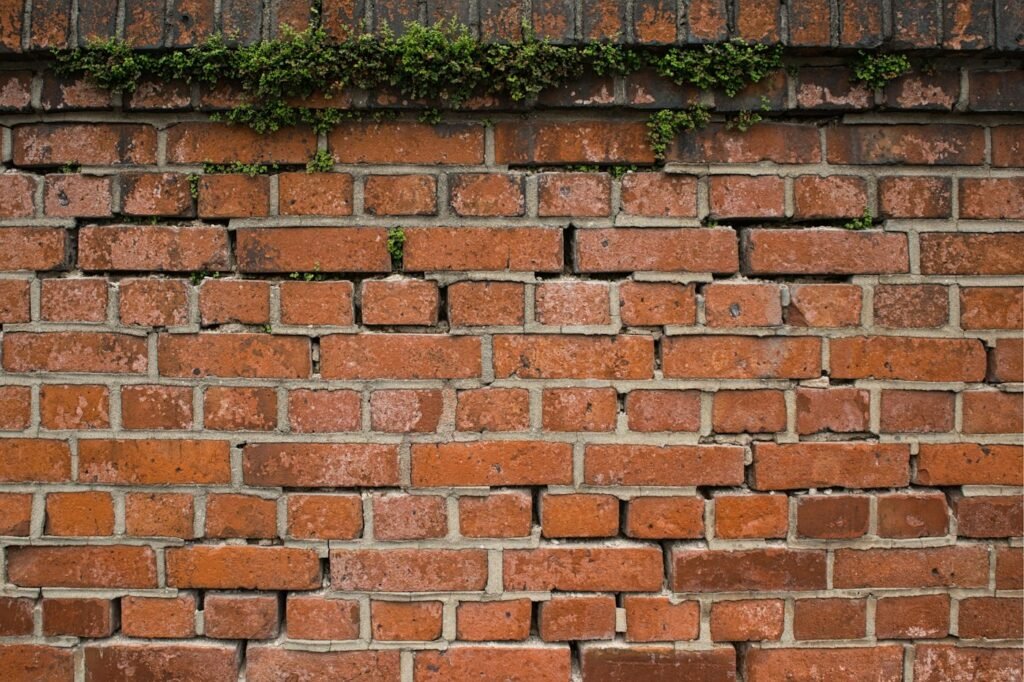
Working With Your Roofer on Parapet Repairs
The parapet and the roof meet at the counterflashing, and that seam causes many leaks. When roofing and masonry are done at different times, a roofer may have to cut into the parapet joints later and can damage flashing that is already in the wall (BNP Media continuing education).
We plan the order of work with your roofer so the parapet is flashed, the roof is tied in and nothing is cut twice.
Mason
1. Parapet repaired and flashed
Roofer
2. Roof membrane tied in
Mason
3. Counterflashing set and sealed
What Affects the Scope of Parapet Wall Repair in Yonkers
We price after a roof and street survey, and the estimate is free. A few loose copings and a full parapet rebuild sit at opposite ends of the range.
- Length and height of the parapet, and how many sides
- Coping type, and how many pieces are loose or broken
- Repointing vs partial or full parapet rebuild
- New under-coping flashing and anchors
- Roof access, protection and timing with roof work
- Sidewalk protection on street-facing walls
Parapet Wall Repair for Yonkers Multifamily Buildings, Storefronts and Homes
Multifamily buildings
Long parapets on walk-ups and apartment buildings, done in sections with tenant access and roof doors kept open.
Storefronts
Decorative parapets and cornices on commercial blocks, with sidewalk protection below and entrances kept usable.
Homes
Parapets on flat-roof row houses, porches and garages, where the roof edge is often the first place water gets in.
Parapets on Yonkers’ Pre-War Buildings
Yonkers has many pre-war homes and apartment buildings (WeRelate, from Wikipedia). Many of them have flat roofs ringed by brick parapets, often with stone or terra cotta coping that has been in place for generations.
Those parapets were usually built without the flashing that is standard today, which is why the top floor is so often where leaks begin.
Also serving: Mount Vernon, New Rochelle, Bronxville, Hastings-on-Hudson and Scarsdale.
Adding flashing under the coping during repair brings an old parapet up to how roof edges are built now.
Related Masonry Services in Yonkers
Roof-edge problems rarely stop at the parapet. These are the services that cover what sits around it.
Parapet Wall Repair FAQs for Yonkers Building Owners
What owners ask us about coping, flashing and leaks at the roof edge.
What is a parapet wall?
It is the part of an outside wall that rises above the roof line. On flat-roof buildings it forms the roof edge and is capped with coping.
Why is my top-floor ceiling leaking near the outside wall?
Often the water is coming in at the roof edge: through open coping joints, missing flashing under the coping or failed counterflashing. It runs down inside the wall and shows up on the ceiling or wall below.
Can loose coping stones be reset, or do they need replacing?
Most can be reset if they are not cracked through. We lift them, add flashing and reset them on stainless anchors. Broken pieces are replaced with matching stone or precast.
Should a roofer or a mason fix my parapet?
Usually both, in order. The mason repairs the brick, coping and through-wall flashing; the roofer ties the roof into it. We coordinate so the work fits together.
Can a leaning parapet be repaired, or must it come down?
A parapet that leans or bows has lost its hold on the wall. That section needs to be taken down and rebuilt, with new flashing and anchored coping.
Is metal coping better than stone coping?
Neither is better everywhere. Metal has fewer joints and suits modern roofs. Stone and terra cotta suit older facades and last a long time when flashed and sealed. We recommend based on your building.
Do you repair parapets above sidewalks and storefronts?
Yes. We set up protection below, secure loose coping first and plan the work to keep entrances open.
Get a Free Parapet Wall Repair Estimate in Yonkers
Leaks on the top floor or loose coping on the roof? Call us or send photos, and we will survey your roof edge from the roof and the street.