- Licensed & Insured
- Free Estimates
- Mon–Fri, 8 AM – 6 PM
Serving Yonkers & Southern Westchester, NY

Brick Repair in Yonkers, NY for Cracked Brick Walls
Brick Pointing Yonkers, NY repairs cracked brick walls on homes, multifamily buildings and storefronts across Yonkers. We find out why the wall cracked, stabilize it with stainless steel crack stitching or targeted joint and brick repair, then finish the joints to blend with the wall. Estimates are free, and our crew is licensed and insured.
- Licensed & insured
- 10+ years in Yonkers
- Free estimates · Mon–Fri 8–6
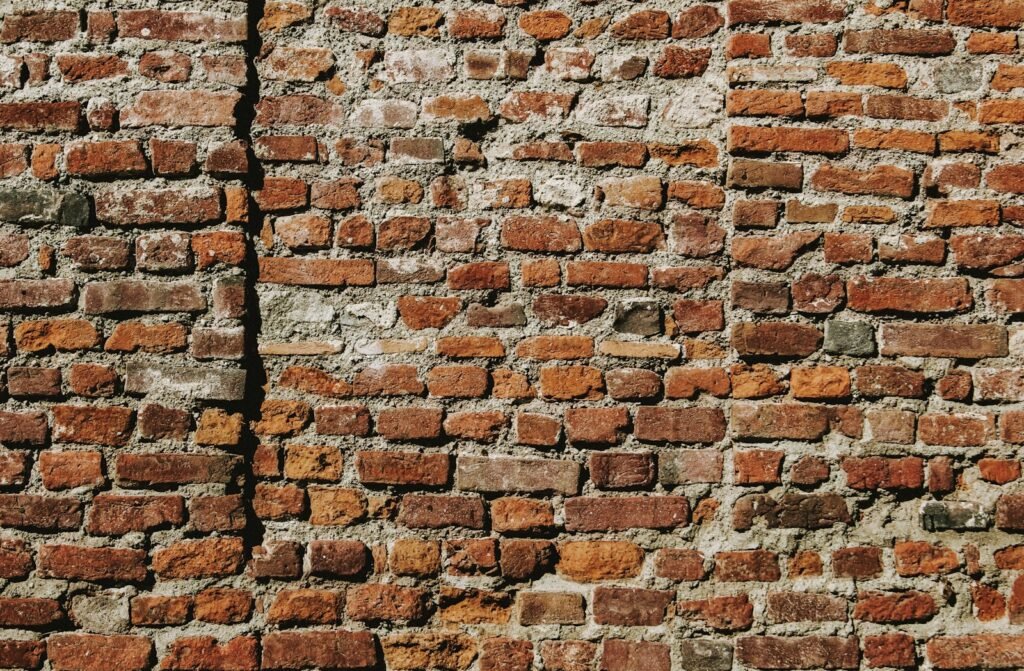
Crack stitching
Stainless bars bonded inside the mortar joints, hidden once we repoint.
Signs Your Brick Wall in Yonkers Needs Repair
A crack tells you where the wall moved and how far. These are the patterns we are called out for most often:
Stair-step cracks
A zigzag line that follows the mortar joints, usually starting at a corner or a window.
Vertical cracks near corners
A straight split that runs up the wall, often where two walls meet.
Cracks through the brick faces
The break runs through the units, not just the mortar, so the stress was higher than the joints could absorb.
Gaps at window and door frames
Brick pulling away from the frame, or a crack running out from the top corner of an opening.
Loose bricks along a crack
Bricks that rock or sound hollow when tapped next to the crack line.
Cracks that come back
A patch that reopens after a winter shows the cause was never fixed.
One hairline crack in a mortar joint is common in older brick. Several cracks, cracks wider than a coin’s edge, or cracks that grow from one season to the next need a closer look.
What Causes Brick Wall Cracks in Yonkers Buildings
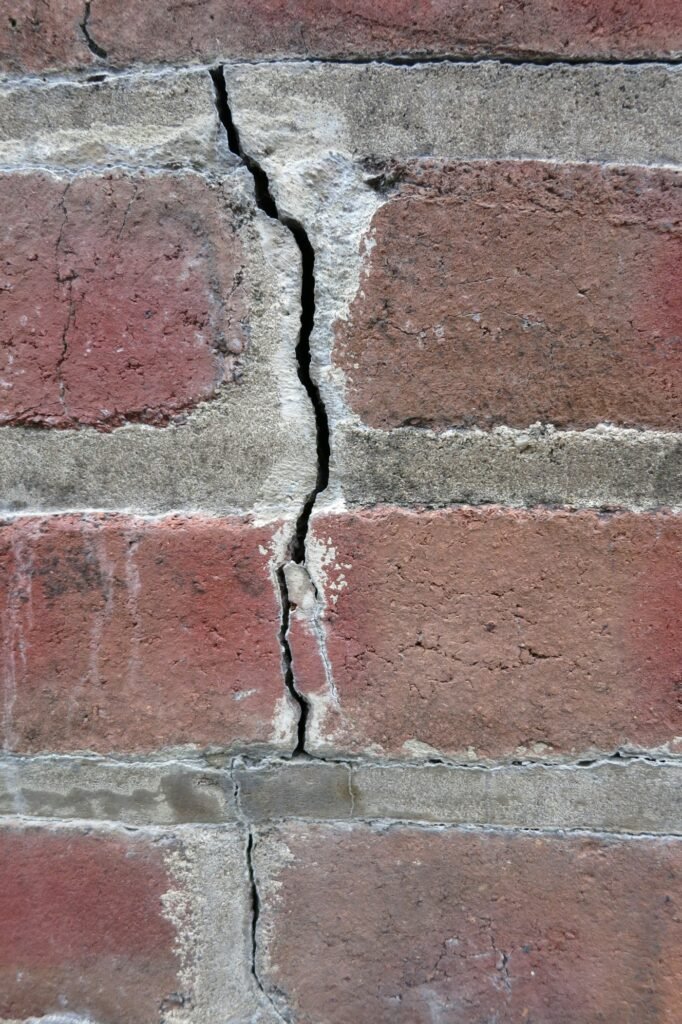
We never repair a crack without naming its cause first, because a repair over active movement cracks again.
01
Settlement and soil movement
Part of the foundation drops or shifts, and the wall above follows it.
02
Rusting steel lintels
Rust takes up more room than the steel it came from, so it lifts the brick above windows and doors. See our lintel replacement in Yonkers page.
03
Water from gutters and flashing
A leaking gutter or failed flashing keeps one area wet, washes out joints and weakens the bond.
04
Thermal movement
Long brick walls grow and shrink with the seasons. Without room to move, they relieve the stress by cracking.
05
Hard cement patches
A past repair done with mortar that is harder than the brick pushes movement into the brick itself. Older walls need a softer mix; see lime mortar repointing.
06
Roots and nearby digging
Tree roots, new driveways or excavation next door can disturb the soil under a wall.
Brick Crack Repair Methods for Yonkers Walls
The right repair depends on what cracked, how wide it is and whether the wall has stopped moving.
| Method | Best for | What we do | How it looks after |
|---|---|---|---|
| Joint repair | Hairline cracks in mortar only, wall is stable | Rake out the cracked joints and repoint them | Blends with the existing joints |
| Helical crack stitching | Cracks through brick and mortar after movement has stopped | Bond stainless steel bars into the bed joints across the crack | Bars are hidden; only repointed joints show |
| Cut-out and replace | Bricks that are split, crushed or loose | Remove the damaged units and set matched brick (brick replacement) | Matched brick in the original pattern |
| Section rebuild | Walls that bulge, lean or keep moving | Take down and relay the affected area (brick wall rebuilding) | New section tied into the old wall |
We do not caulk or foam cracks shut. Sealant hides the crack, holds water in the wall and does nothing to reconnect the masonry.
How Helical Crack Stitching Repairs a Cracked Brick Wall
Crack stitching reconnects the two sides of a crack from inside the mortar joints, so the wall does not have to come down. Thin stainless steel bars with a spiral twist are set in grout inside slots cut along the horizontal bed joints, crossing the crack (Ancon Staifix-Thor).
Stitching is only used once the cause has stopped. If the wall is still moving, we fix the cause first or recommend a rebuild.
20 in.
Bar length past the crack
One manufacturer calls for at least 20 inches of bar on each side of the crack (PROSOCO).
4–6
Courses between bars
Bars go in every few courses along the height of the crack; PROSOCO lists every 4–6 courses.
Hidden
Finish after repointing
Once the grout sets, the joints are repointed and the bars and grout are hidden from view.
No tear-down
Wall stays in place
The repair spreads stress along the wall instead of one weak line, and avoids tear-down and rebuild (Helifix).
Our Brick Repair Process in Yonkers
Seven steps, from the first look at the crack to the final walkthrough. You get photos and a written estimate before any work starts.
1
Inspection and crack mapping
We measure each crack’s width, length and pattern and photograph it.
2
Finding the cause
We check gutters, flashing, lintels, drainage and grade. If the pattern points to a foundation problem, we tell you to bring in a structural engineer before any repair.
3
Free written estimate
You get the repair method, the area covered and the price in writing.
4
Site protection
We cover plantings, walkways and windows and set up ladders or staging.
5
The repair
Joint repair, crack stitching or brick cut-out, based on the plan you approved.
6
Joint finishing
Cracked joints are repointed to match the width and profile of the joints around them.
7
Cleanup and walkthrough
We clean the work area, walk the wall with you and share before and after photos.
What Affects the Scope of Brick Repair in Yonkers
Every wall is different, so we price after we see it, and the estimate is free. A single stair-step crack in a garden wall and a long crack through a three-story facade are very different jobs. These are the factors that set the size of a brick repair:
- Number, length and width of the cracks
- Whether cracks run through bricks or only through mortar
- Wall height and access: ladder work, a lift or scaffolding
- Whether the cause is still active and needs fixing first
- How many bricks need replacing and how easy they are to match
- Solid multi-wythe walls that need repair on both faces
Brick Repair for Yonkers Homes, Multifamily Buildings and Storefronts
Homes
Cracks at chimneys, porches, corners and window heads on single-family and two-family houses, often worked from ladders without disturbing the yard.
Multifamily buildings
Crack repair on walk-ups and apartment buildings, planned around tenants, fire escapes and building access, with sidewalk protection where needed.
Storefronts
Cracks around shop windows, piers and doorways, scheduled early or late so your entrance stays open during business hours.
Why Brick Walls Crack on Yonkers’ Hills
Yonkers climbs in steep ridges from the Hudson River, and many brick houses here sit on sloped lots with stepped foundations and retaining walls. On a slope, the downhill side of a building carries more load and holds more water, so it is often where settlement cracks show first. We read the slope, the drainage and the crack pattern together before deciding on a repair.
We also cover Mount Vernon, New Rochelle, Bronxville, Hastings-on-Hudson and Scarsdale.
Related Masonry Services in Yonkers
Brick Replacement Yonkers
Spalled, cracked or broken bricks cut out and replaced with a matched brick.
Brick Wall Rebuilding Yonkers
For walls that bulge, lean or have lost their bond and need relaying.
Brick Pointing Yonkers
Repointing worn mortar joints across a whole wall once the cracks are fixed.
Chimney Repair Yonkers
Cracked chimney brick, crowns and flashing repaired before leaks spread.
Brick Repair FAQs for Yonkers Property Owners
Questions Yonkers owners ask us about cracked brick walls.
How do I know if a crack in my brick wall is serious?
Watch for width, growth and pattern. A hairline crack that stays the same is usually minor. A crack wider than about 1/4 inch, a crack that grows over a season, or one that runs through bricks or makes a wall bulge needs an inspection soon.
Can a cracked brick wall be repaired without tearing it down?
Yes, in most cases. If the wall has stopped moving, crack stitching and joint repair reconnect it in place. Tear-down is only needed when a section bulges, leans or has lost its bond.
Will the repair be visible when you finish?
Crack stitching bars sit inside the joints and are covered when we repoint. You will see fresh joints along the old crack line, which we finish to the same width and profile as the joints around them.
Should I wait to see if the crack gets bigger?
Waiting only makes sense with a plan. We can mark the crack ends and date them so you can check them over a few months. If a crack is letting water in, it should be repaired before winter.
Can I fill a brick crack with caulk?
We advise against it. Caulk and foam hide the crack but do not reconnect the brick. They can also trap water in the wall, which leads to more damage in freezing weather.
Do you repair cracks around windows and doors?
Yes. Cracks that start at the corners of openings are often caused by rusting steel lintels. We repair the brick and, when the lintel is the cause, replace or treat it as part of the job.
Get a Free Brick Repair Estimate in Yonkers
Send us photos of the crack or ask for a visit. We will tell you what caused it, how we would fix it, and give you a written estimate.